


EPR & Regulation
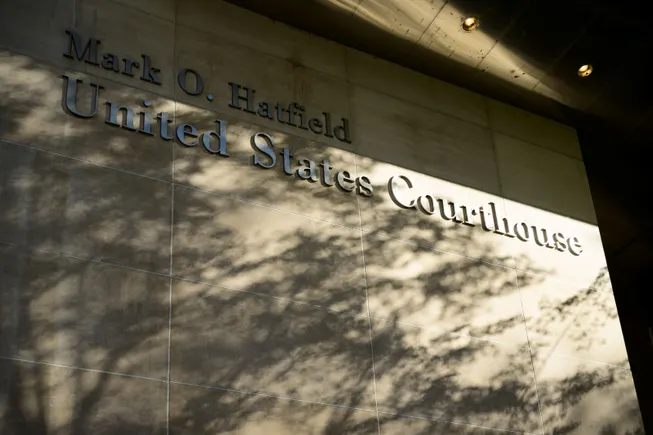
The first lawsuit trial for U.S. packaging extended producer responsibility (EPR) programs has arrived. The Oregon case is set for trial on July 13, and the outcome could influence the direction of EPR regulations nationwide.

The 2026 Packaging Recycling Summit took place from June 15-17 in Rosemont, Illinois, gathering brands, recyclers, and other packaging value chain participants to focus on the industry's most urgent recycling challenges and pathways to solutions. This article highlights key points from Packaging Dive's coverage of the fourth annual summit.
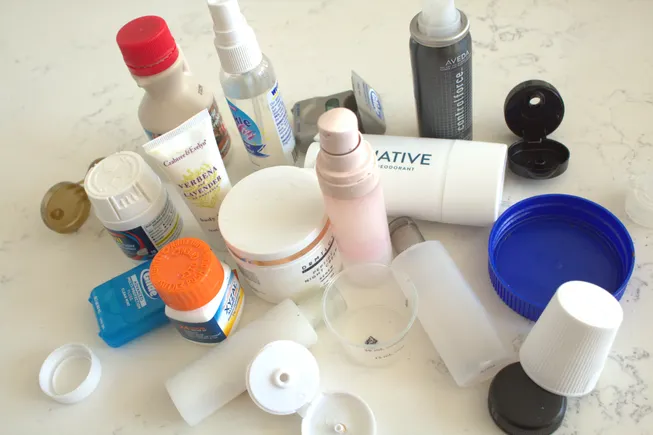
Closed Loop Partners' Smalls Consortium announced its entry into the California field testing phase, collaborating with brands such as L'Oréal and Kraft Heinz to explore small-sized packaging recycling. Experts noted that existing equipment can be reconfigured to sort such items, while also helping to reduce glass contamination and transportation costs.
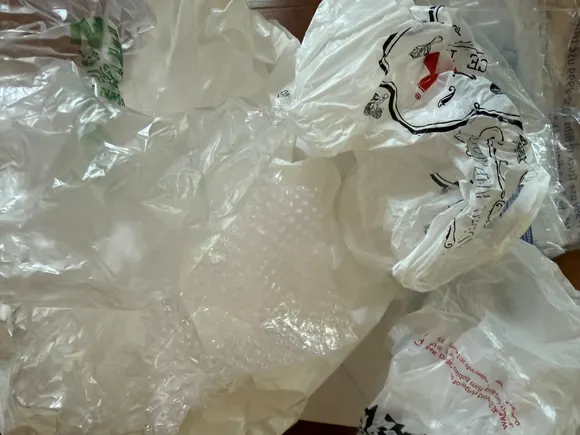
At the Packaging Recycling Summit held on June 16, multiple industry experts noted that film recycling is at a critical turning point. Recent pilot efforts are advancing the sector and are expected to achieve scale-up in the coming years. Meanwhile, California's upcoming extended producer responsibility (EPR) regulations impose hard requirements on recycling rates, prompting all parties across the value chain to accelerate action.

On July 1, 2026, multiple U.S. states will simultaneously enact a batch of packaging-related regulations: California prohibits the use of "sell by" labels and unifies quality and safety date terminology; Virginia extends the EPS food container ban to all food vendors; Connecticut imposes labeling obligations on products containing PFAS; Washington state's producer responsibility organization registration deadline arrives.
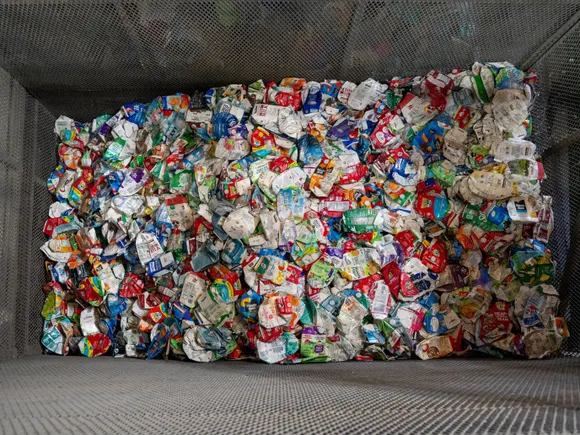
Updated data from the California Department of Resources Recycling and Recovery (CalRecycle) shows that three new material recovery facilities (MRFs) are sorting cartons, raising the share of counties with carton recycling services to 62%, above the 60% threshold required by SB 343. Previously, this share had dropped to 53% in December 2025, sparking industry concerns. The new law, effective October 2025, requires that packaging be sorted by MRFs covering at least 60% of counties to be labeled as recyclable.
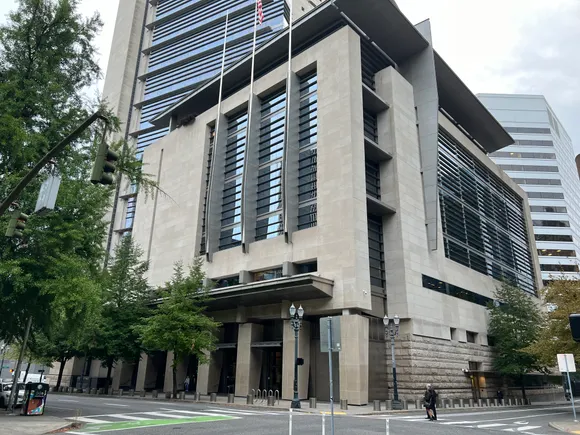
Lollicup USA (a subsidiary of Karat Packaging) filed a class action in Oregon federal court against DEQ Director Leah Feldon, seeking a declaration that the state's Plastic Pollution and Recycling Modernization Act is unconstitutional and an injunction against its enforcement. The lawsuit cites NAW precedent, alleging the law violates the Commerce Clause and due process.
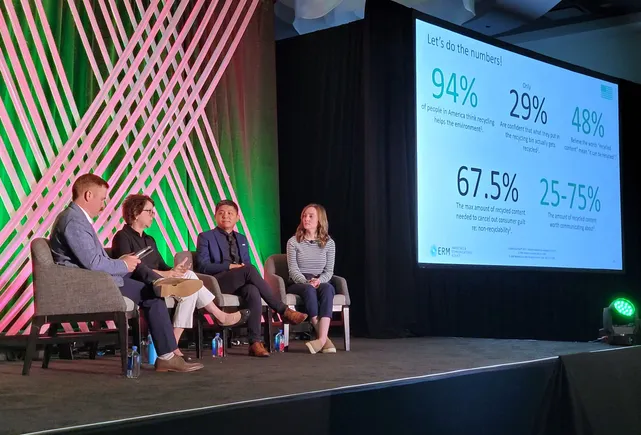
While industry attention is focused on packaging Extended Producer Responsibility (EPR), mandatory requirements for the use of Post-Consumer Recycled (PCR) materials also hold a significant place on the brand compliance agenda. At the Packaging Recycling Summit held from June 15 to 17 in Rosemont, Illinois, attendees noted that despite many brands making public commitments to increase PCR usage, actual demand growth has been slow. New Jersey's PCR regulations are regarded as the most extensive, and their brand-level aggregated average compliance requirements have prompted companies such as Campbell Soup and Ahold Delhaize USA to adopt cross-category strategies. Meanwhile, costs, the supply of food-grade materials, technical process limitations, and consumer misunderstanding of recycled material pricing collectively constitute real barriers to the promotion of PCR.
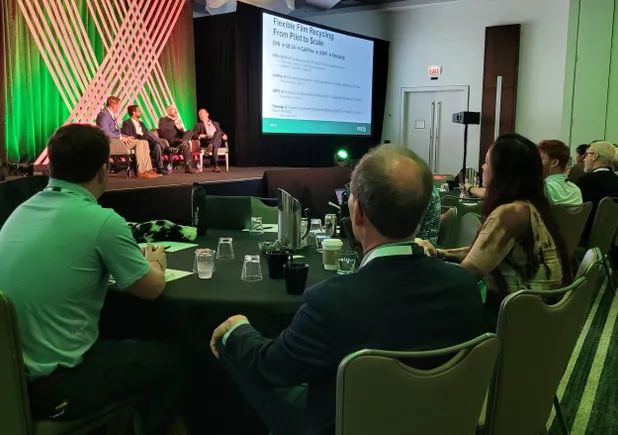
At the Packaging Recycling Summit held last week in Rosemont, Illinois (June 15-17), multiple speakers noted that Extended Producer Responsibility (EPR) regulations in packaging are becoming a major force driving industry change, but brands still face significant uncertainty in understanding state laws and seeking compliance. This article summarizes four major EPR themes that emerged from the conference: widespread questions among stakeholders, tensions arising from interstate policy differences, emerging data solutions, and the question of where EPR fees flow.
17 Republican state attorneys general jointly sued California's SB 54 packaging EPR law, alleging it violates the Constitution and harms interstate commerce. The National Wholesale Distributors Association joined as the sole commercial plaintiff, having previously obtained a preliminary injunction in Oregon.