


Sustainability
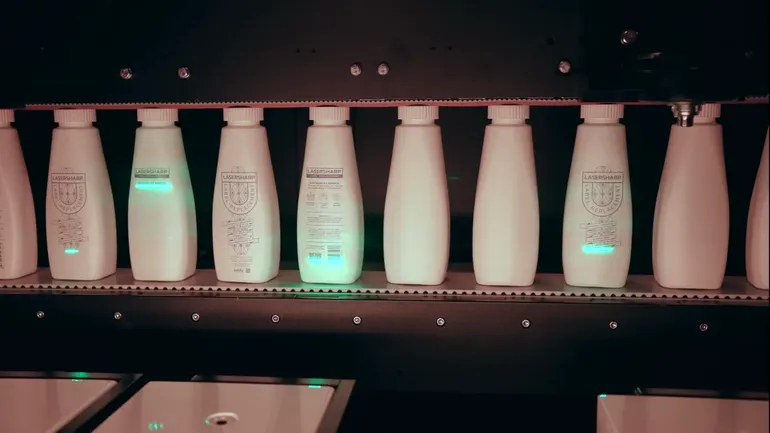
Laser marking, long used for small marks like sell-by dates, is gaining traction as a full-scale packaging decoration method. Improved speed, resolution, and software controls have made it viable for mass production. Companies such as Mondi and Procter & Gamble are leveraging laser marking to cut materials, boost recyclability, and enable unique serialization. While monochromatic output and substrate limitations remain, the technology is expanding across packaging types and even into produce etching trials.
The application of generative AI in the packaging industry is still in its early stages, but it already covers areas such as new material discovery, virtual prototyping, simulation testing, packaging artwork optimization, recyclability assessment, and production line maintenance. Nestlé has collaborated with IBM Research to develop a model for identifying high-barrier materials; Colgate-Palmolive has used AI to shorten the development cycle for more than 50 SKUs by 60%–70%; a McKinsey survey shows that 95% of paper and packaging executives believe their companies should invest in generative AI.
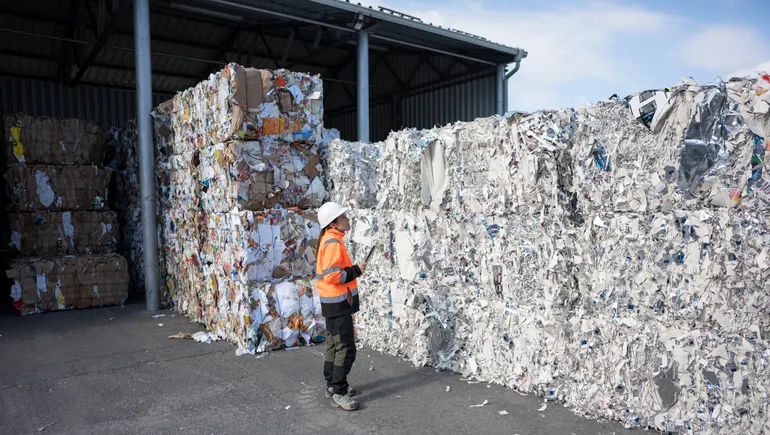
AF&PA's latest data shows that in 2025, the U.S. paper recovery rate is estimated between 61% and 65%, and the paperboard recovery rate between 70% and 75%, both slightly higher than 2024 levels. Although total recovered fiber consumption by domestic paper mills decreased by 1.3 million tons year-over-year, the recovery system remained stable amid reduced supply.
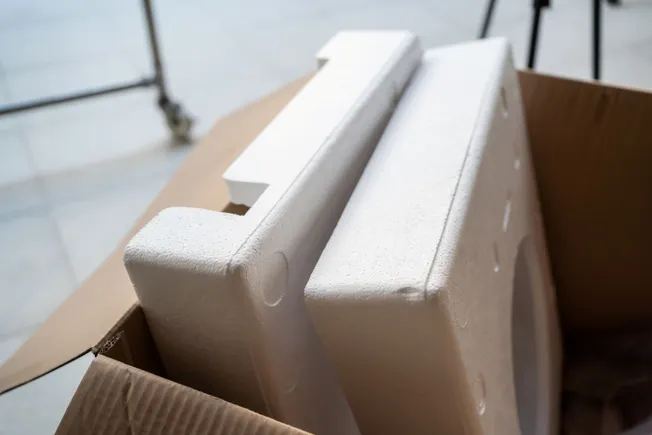
The U.S. Plastics Pact announced the removal of expanded polystyrene (EPS) transport packaging from its Problematic & Unnecessary Materials list, the first deletion since the list was created in 2022. The move follows a spring request from the Polystyrene Recycling Alliance and is supported by data showing a 31% recycling rate for transport EPS in North America. The change applies only to transport EPS, not other polystyrene types.
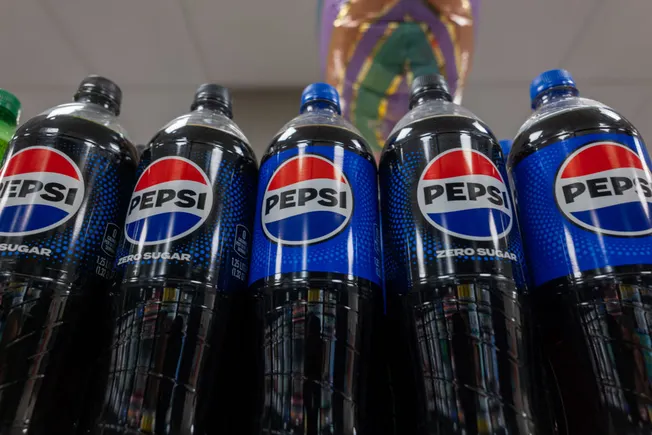
PepsiCo's latest sustainability report, its second since revising packaging targets in May 2025, reveals progress on key goals: virgin plastic tonnage down 6% year-over-year, recycled content in plastic packaging up to 18% from 15%, and 94% of packaging designed for reuse, recycling, or composting. The report also details regional initiatives and ongoing investments in recycling infrastructure.
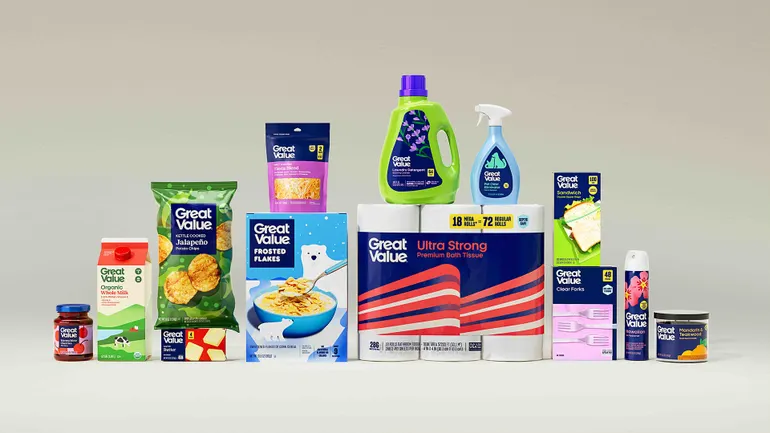
In its FY2026 ESG report, Walmart disclosed that its 2025 private brand packaging sustainability goals were not fully achieved, with the proportion of recyclable/reusable/industrially compostable packaging dropping from 68.2% to 64.3%, and virgin plastic usage increasing by 4.12% compared to the baseline, while the proportion of post-consumer recycled (PCR) plastic rose to 10.7%. The company stated it will continue to advance packaging optimization and outlined three guiding principles.
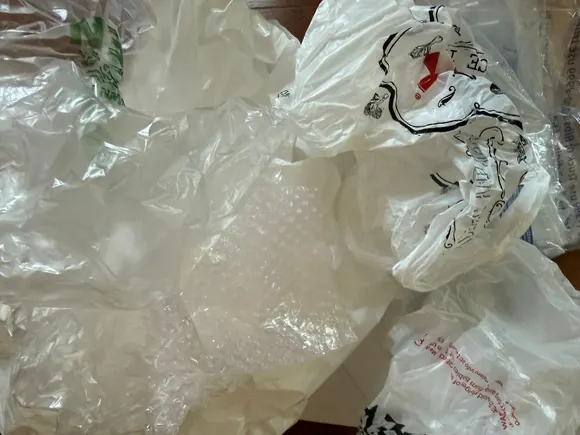
The Flexible Film Recycling Alliance (FFRA) has launched two commercial film recycling pilots in Sacramento and the Ontario/Inland Empire regions of California, in partnership with 1-800-Got-Junk and Shorr Packaging. The pilots will run until November 30, aiming to evaluate the effectiveness of different collection models and provide data to support the scaling of recycling efforts.
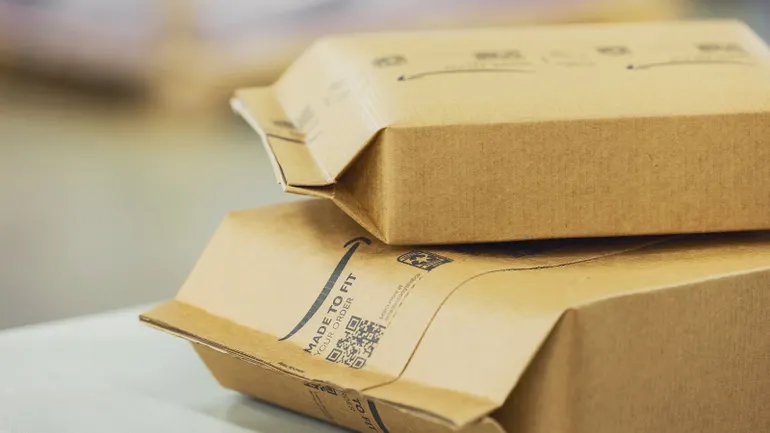
Amazon released its 2025 sustainability report, disclosing the latest progress in its packaging portfolio. The report shows that 52% of North American fulfillment centers no longer use plastic delivery packaging, the share of flexible packaging globally continues to rise, and the corrugated box share remains stable. The company is further optimizing packaging efficiency and sustainability through automated custom packaging, reducing label sizes, and piloting anti-over-packaging measures.
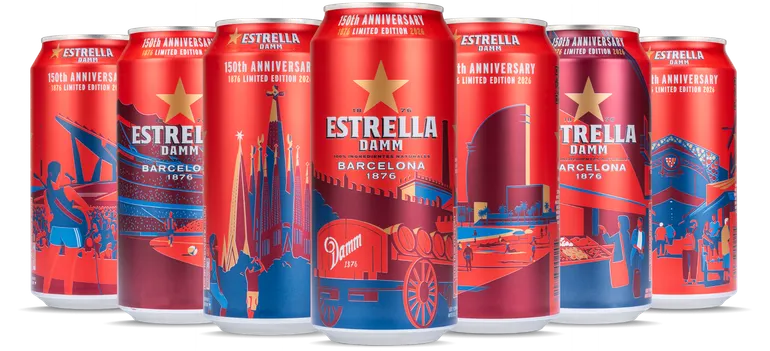
Crown Holdings has released its climate transition plan, which CEO Tim Donahue says encompasses the company's "climate ambition," including a decarbonization roadmap and climate risk responses. As of the end of 2025, the company's Scope 1 and 2 emissions have been reduced by 25% from the 2019 baseline, approaching the 2030 target of 50%; Scope 3 emissions account for 91% of its total carbon footprint, with a target reduction of 27.5%. The plan also involves supplier collaboration, logistics optimization, and long-term goals for 2050.
Graphic Packaging International released its 2025 sustainability report on June 30, and on the same day, Chief Sustainability Officer Michelle Fitzpatrick announced her departure, ending a tenure of nearly five years. The report shows slight setbacks in some emissions and recyclability targets, while the company remains committed to its long-term goal of net-zero emissions by 2050.