


EPR & Regulation
The Oregon Department of Environmental Quality (DEQ) this month approved a plan amendment submitted by producer responsibility organization Circular Action Alliance (CAA) for the Responsible End Market (REM) program, which was approved after an extended consultation period. The updated version establishes baseline processes for third-party certification and PRO verification, adjusts performance standards within the verification criteria, and provides differentiated treatment for glass furnace self-declarations and verification. CAA stated that it is currently developing a phased implementation timeline and documentation requirements for REM.

Two significant California recycling regulations—the producer responsibility and source reduction law SB 54 and the 'label truthfulness' law SB 343—are set to be implemented gradually this year, but disputes over their details have already surfaced. Environmental groups argue that SB 54 contains 'major loopholes' and plan to file lawsuits; business groups may challenge the regulations on procedural grounds. Meanwhile, Oregon's packaging EPR lawsuit is scheduled for trial in July, and SB 343 also faces a free speech lawsuit. Legal experts point out that litigation is unlikely to fundamentally alter the direction of the regulations, and companies should not rely on lawsuits to evade compliance obligations.
Following California's finalization of SB 54 regulations on May 1, CalRecycle issued multiple guidance documents on May 11 to address key producer compliance questions. The guidance covers producer identity determination, covered material definitions, food and agricultural packaging exclusion notification requirements, and reminds of the June 1 registration deadline and the June 15 draft plan submission date.
The Circular Action Alliance (CAA) has opened public comment on its draft certification standards for Responsible End Markets (REM), with comments due by July 7. The standards aim to provide a unified certification framework for REM provisions in U.S. state packaging extended producer responsibility (EPR) laws, reducing duplicate audit burdens for companies in the recycling value chain. The draft was developed with assistance from SCS Standards and Assurance and supported by input from a multi-stakeholder committee.
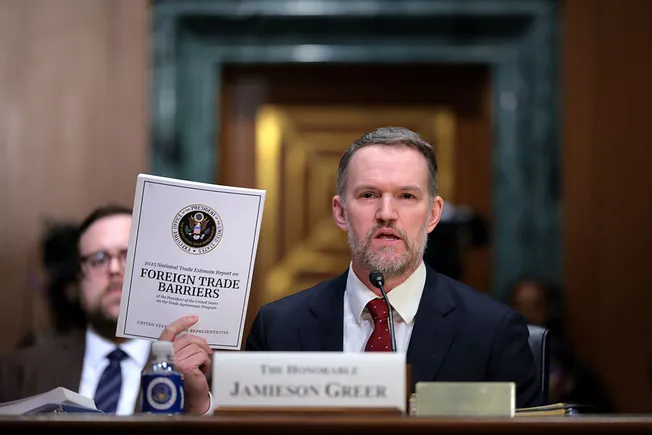
The Office of the United States Trade Representative held Section 301 tariff investigation hearings this week regarding structural overcapacity in 16 countries and regions. Representatives from the Can Manufacturers Institute, the American Forest & Paper Association, the Aluminum Association, the Institute of Scrap Recycling Industries, and the American Chemistry Council testified, generally supporting tariffs to address unfair competition while emphasizing the need for caution, targeted measures, and attention to risks such as raw material supply.

Maine's packaging extended producer responsibility (EPR) law implementation continues to lag behind states such as Oregon and Colorado. Although the state passed final rules in December 2024 and signed amendments in 2025, the stewardship organization's bidding process has yet to begin. The environmental department stated that a request for proposals will be issued soon, and producers are still required to register and pay startup fees this year, but the specific arrangements depend on the contract signing timeline.

The California Office of Administrative Law approved and filed the permanent SB 54 (Producer Responsibility and Packaging Source Reduction Act) regulations on Friday, effective immediately. On the same day, the producer responsibility organization Circular Action Alliance released sample fees for obligated producers. The regulations require that by 2032, producers must reduce the use of covered materials by 25%, ensure a recycling rate of 65%, and achieve 100% recyclability or compostability for all single-use packaging and food service ware. CalRecycle has launched an online portal for producer registration, data submission, and compliance tracking.
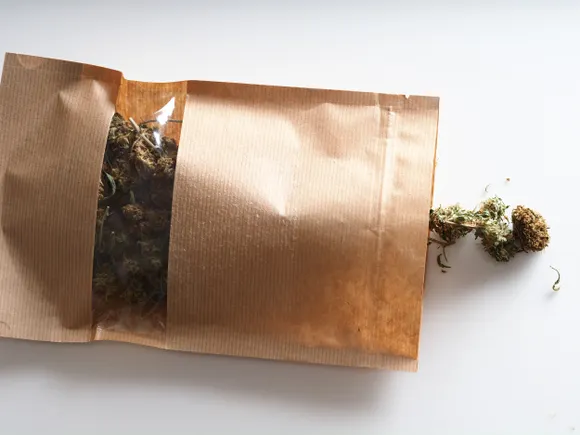
U.S. cannabis packaging regulations vary by state, requiring companies to navigate complex requirements such as child safety and design restrictions, while also balancing brand innovation, product freshness, and sustainability. Industry experts note that regulations have not relaxed as the market matures, increasing operational costs and hindering innovation.
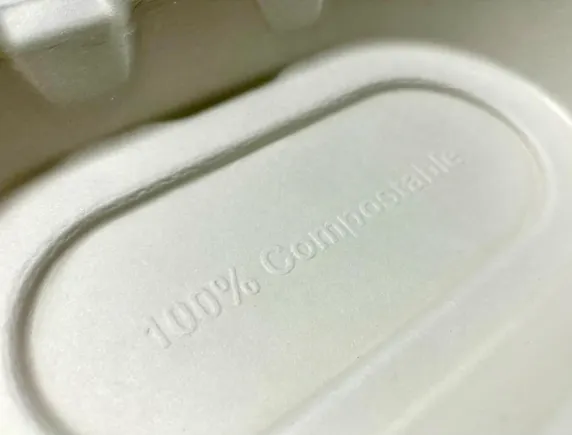
California lawmakers reviewed two bills last week concerning compostable packaging: SB 1031 seeks to clarify the distinction between compostable products and non-compostable alternatives, and study the health effects of degradable plastics; AB 1812 seeks to restrict the use of "compostable" or "home compostable" labels on products containing plastic. Both bills have passed committee votes and advanced to the appropriations committee.

The Massachusetts Senate passed a major environmental bill (S.3050) by a vote of 36-3 on Wednesday. The bill is an iteration of the Mass Ready Act proposed by Governor Maura Healey in 2025. This package, valued at over $3.6 billion, covers funding for various environmental projects and includes policy adjustments regarding extended producer responsibility (EPR) and restrictions on single-use packaging. The bill has now been sent to the state House of Representatives, and the current two-year legislative session ends on July 31.