


EPR & Regulation
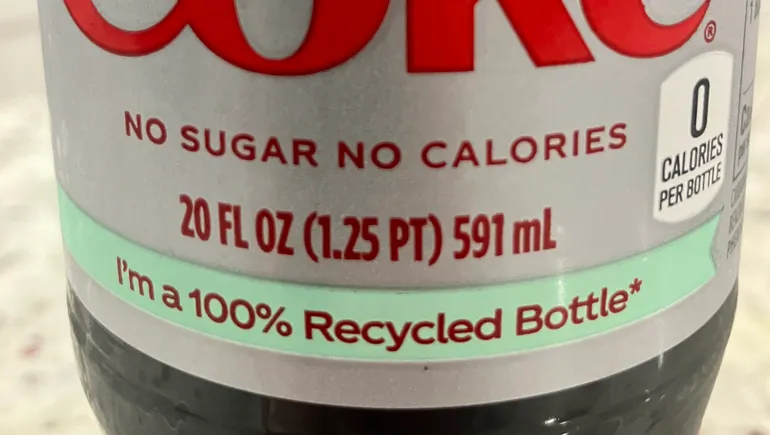
Tracking Plastic Act seeks federal standards for recycled content verification
Senator Adam Schiff (Democrat of California) introduced the Tracking Plastic Act, which aims to standardize the tracking process for recycled plastic in products by establishing a federal working group, in order to address misleading labeling and fraud by companies. The bill has received support from organizations such as the American Plastics Recycling Association and the World Wildlife Fund, and has been submitted to the Senate Commerce Committee for consideration.
Core Overview
- California Democratic Senator Adam Schiff introduced the Plastic Traceability Act on Thursday, aiming to standardize the tracking process for recycled plastics in products to "address misleading labeling and fraud by companies, reduce errors, and verify the source of recycled content."
- The legislation would establish a federal traceability working group with members from agencies including the U.S. Environmental Protection Agency (EPA), the Federal Trade Commission (FTC), and the Department of Agriculture. The working group would make recommendations and issue annual reports.
- According to the press release, supporters of the bill include the American Plastics Recyclers Association, The Recycling Partnership, the World Wildlife Fund, and the Ocean Conservancy.
In-Depth Analysis
Stakeholders across the packaging value chain have long been frustrated by the fragmentation of state-level legislation—laws that attempt to separately regulate recycled content requirements and related claims, while there is a lack of updated federal guidance on such claims. More broadly, California's state-level regulatory approach to recycling labels was recently temporarily halted by a federal judge.
The drafters of the Plastic Traceability Act seek alignment with other standards and trading partners, specifically naming Australia and the North American region. The bill text also notes that a federal recycled plastic content tracking system would help harmonize the varying recycled content requirements across states.
Oregon Democratic Senator and co-sponsor Jeff Merkley said the legislation aims to help consumers better understand the products they purchase and hold manufacturers accountable for their claims. Merkley has been actively advancing plastics-related legislation in recent years, including the Recycling and Composting Accountability Act and the Break Free From Plastic Pollution Act.
The working group would develop recommendations to increase the use of post-consumer resin (PCR), based on the EPA's 2021 National Recycling Strategy, a roadmap targeting 2030. The bill's drafters hope these recommendations will consider necessary improvements to the domestic market, economic benefits, and methods for monitoring toxic chemicals in PCR.
Additionally, the National Institute of Standards and Technology would lead efforts to propose recommendations for improving measurement, traceability, and reporting for recycled plastics, particularly in packaging, construction, infrastructure, and automotive sectors.
Under the bill, the working group would exist for no more than 10 years.
Other Senate co-sponsors of the Plastic Traceability Act include Oregon Democrat Ron Wyden and New Jersey Democrat Cory Booker.
The bill has been referred to the Senate Committee on Commerce, Science, and Transportation.
The bill comes amid an ongoing industry debate over "what counts as recycled content in packaging and how it should be labeled." In February, the Recycled Materials Attribution Act was introduced in the U.S. House of Representatives, aiming to establish federal standards for recycling and recycled content marketing claims—including acceptance of mass balance accounting methods. The RMAA and the labeling-focused Packaging Act were recently highlighted during a hearing of the Subcommittee on Commerce, Manufacturing, and Trade under the House Energy and Commerce Committee. Neither bill has advanced further to date.