


Latest news
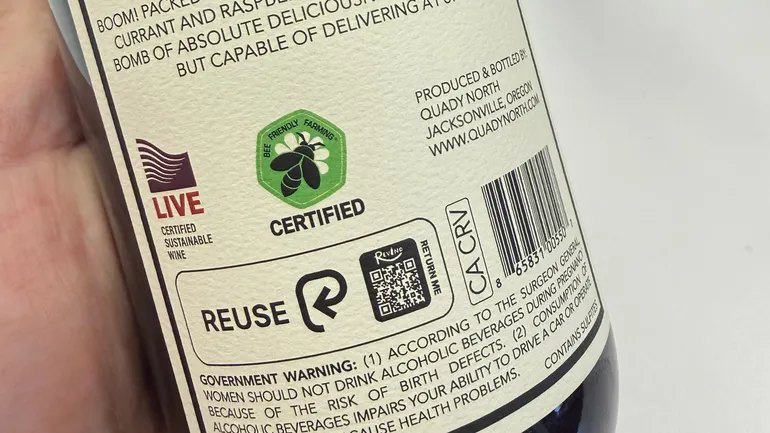
The PR3 Global Reuse Alliance recently introduced a globally unified reuse symbol, based on strict standards, designed to distinguish reusable packaging from ordinary recyclable packaging. As a pioneer in the reuse field, multiple businesses in the Portland, Oregon area, including Bold Reuse and Revino, have already adopted this symbol.
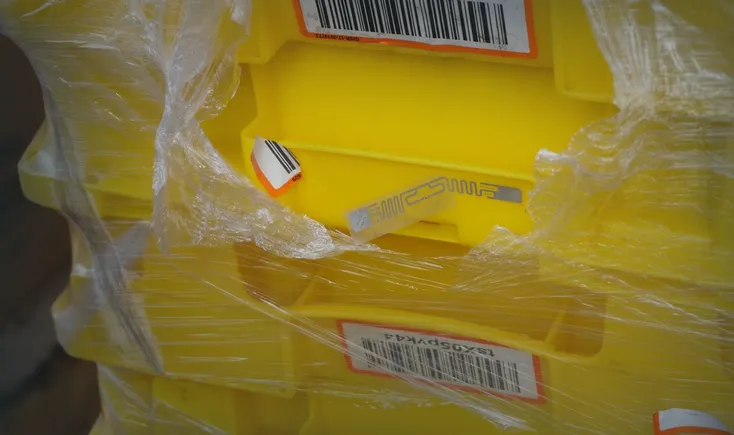
EPR regulations are driving the packaging industry to re-examine the durability of product identification. Traditional tracking systems relying on barcodes, RFID, or BLE devices are prone to failure in harsh reuse environments, leading to broken traceability chains. Mono-material labeling technology integrates identification directly into the plastic substrate, eliminating adhesive layers and secondary films, achieving identification with the same lifespan as the packaging and providing a reliable foundation for EPR compliance.
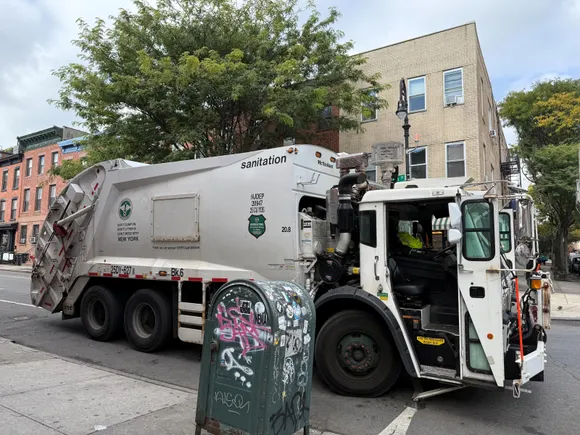
The New York State Legislature is expected to adjourn this Friday, with a series of waste and recycling-related bills not prioritized for a vote, including the controversial packaging extended producer responsibility (EPR) bill, amendments to bottle bills, and measures to facilitate street sweeping and garbage collection.
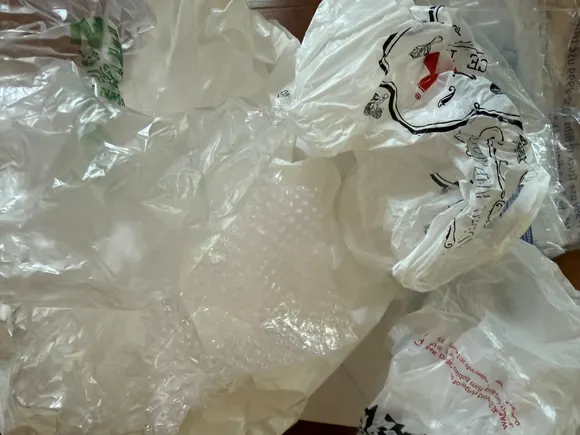
At a webinar hosted by the Northeast Recycling Council (NERC) on Thursday, participating experts noted that effective recycling solutions for soft films and flexible plastics are as complex and multi-layered as the materials themselves. With California's SB 54 regulation requiring a 65% recycling rate for single-use plastic packaging by 2032, the industry faces unprecedented pressure. Experts discussed how pilot projects, data collection, MRF subsidies, and policy updates are shaping the soft film recycling landscape in the U.S., while emphasizing the need for greater coordination across all links of the supply chain.
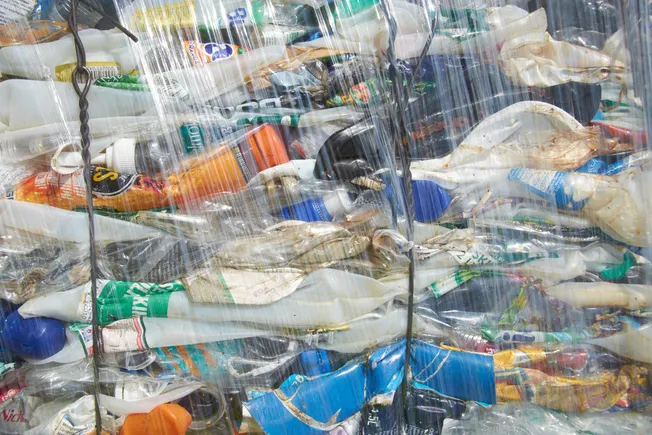
Seven U.S. states have passed packaging extended producer responsibility (EPR) laws, and the first unified baseline data reporting deadline (May 31) has just passed. Compliance experts point out that the focus should shift from data submission to implementation and optimization, including packaging redesign, fee adjustments, and building long-term compliance systems.

California lawmakers advanced multiple packaging-related bills before a key Friday deadline, involving stricter requirements for recycled content claims and compost labeling. AB 2253 requires recycled content claims to be based on actual physical content, AB 1812 prohibits compost products containing plastic, and SB 1031 strengthens distinctions in compost labeling.
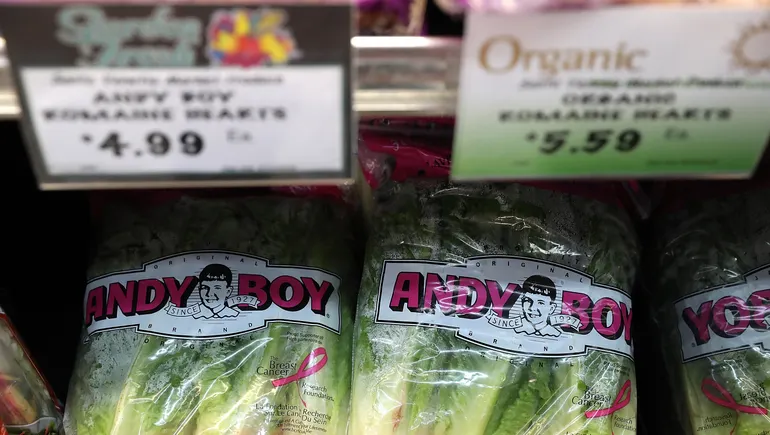
Emerald Packaging this month acquired the assets of the Blower-Dempsay plant in Santa Ana, California, marking the first acquisition in the family-owned company's 63-year history. CEO Kevin Kelly said in an interview that the expansion stems from growing demand, and the new plant will serve customers in Southern California as well as Arizona, Texas, and Mexico. Kelly also shared the company's latest thoughts on PCR material applications, SB 54 regulatory responses, sustainable packaging cost issues, and joining USFFI.
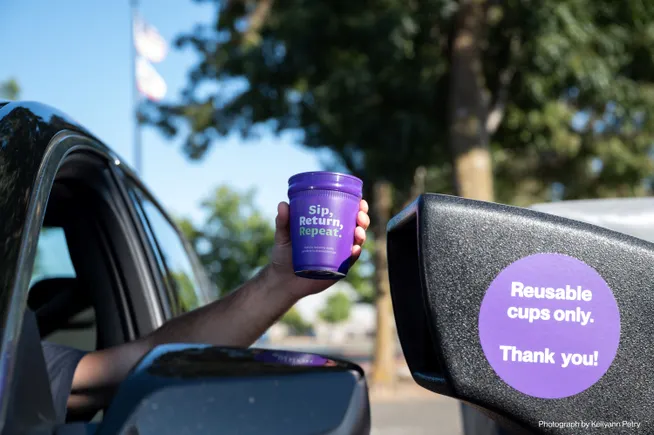
California's SB 54 requires producers to reduce plastic packaging material by 10%, 20%, and 25% by 2027, 2030, and 2032, respectively, with at least 10% of that reduction achieved through source reduction, meaning a shift to reusable or refillable packaging. The assessment report commissioned by CalRecycle from organizations such as Eunomia and Perpetual shows that closed-loop reuse systems are the most attractive in the short term, but transitioning to this model requires substantial investment, with cumulative investment estimated between $8 billion and $15 billion. A pilot project involving cup reuse at 30 businesses in Petaluma provides valuable practical data, while the role of recycling service providers like Recology in this effort remains open to discussion.
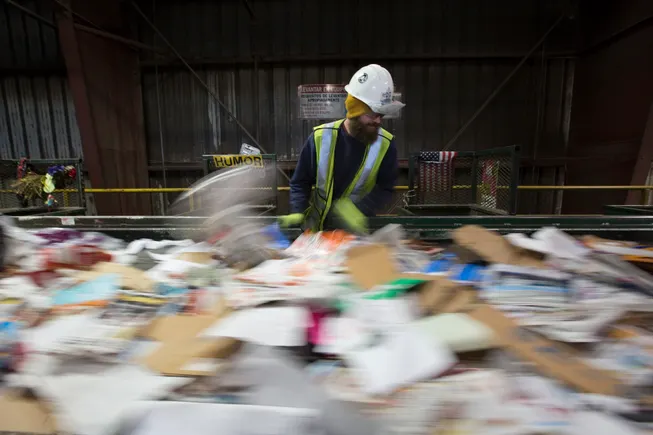
The Oregon Department of Environmental Quality (DEQ) this month approved a plan amendment submitted by producer responsibility organization Circular Action Alliance (CAA) for the Responsible End Market (REM) program, which was approved after an extended consultation period. The updated version establishes baseline processes for third-party certification and PRO verification, adjusts performance standards within the verification criteria, and provides differentiated treatment for glass furnace self-declarations and verification. CAA stated that it is currently developing a phased implementation timeline and documentation requirements for REM.
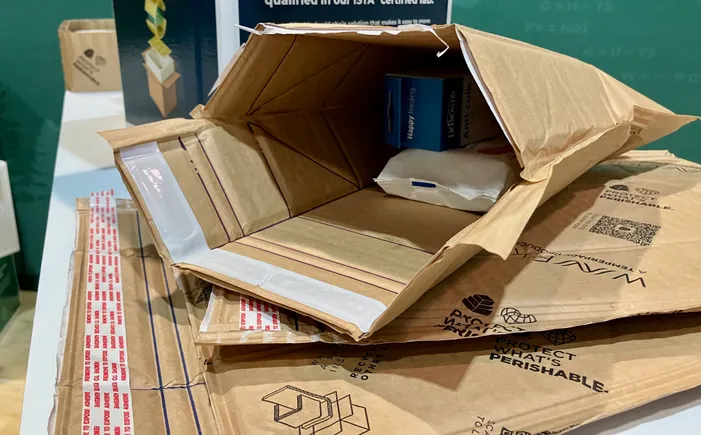
Mailers are becoming a new focus in e-commerce packaging. Driven by sustainability, paper mailers are accelerating their replacement of traditional corrugated boxes, with giants like Amazon significantly shifting toward flexible packaging. Companies such as Pregis, Mondi, Graphic Packaging International, Georgia-Pacific, Sealed Air, and TemperPack are investing in capacity expansion and launching innovative products, including cushionless fiber mailers with gussets. Meanwhile, on-demand custom sizing technology is emerging, and new EU regulations will further drive the reduction of 'dead space.' Although consumer surveys show that most people still prefer corrugated boxes, the industry expects mailer adoption rates to continue rising.