


Latest news

The Massachusetts Senate passed a major environmental bill (S.3050) by a vote of 36-3 on Wednesday. The bill is an iteration of the Mass Ready Act proposed by Governor Maura Healey in 2025. This package, valued at over $3.6 billion, covers funding for various environmental projects and includes policy adjustments regarding extended producer responsibility (EPR) and restrictions on single-use packaging. The bill has now been sent to the state House of Representatives, and the current two-year legislative session ends on July 31.

Affiliates of private equity firm CD&R announced on Thursday the completion of the acquisition of Sealed Air, paying approximately $6.3 billion to shareholders in the transaction, with a total enterprise value of $10.3 billion. Sealed Air has been delisted from the New York Stock Exchange and is now a private company, continuing to operate under its original name with headquarters in Charlotte, North Carolina. CD&R stated it will support growth in its two core business segments: protective packaging and food packaging.


More than a month has passed since the U.S. Supreme Court ruled that most tariffs imposed by the Trump administration under the International Emergency Economic Powers Act were invalid, but only a small number of the over 300,000 affected companies have filed lawsuits. Manufacturers are divided among administrative appeals, litigation, and a wait-and-see approach, while details of the refund mechanism remain to be clarified.

A federal judge in Oregon this week clarified the scope of a temporary injunction on the packaging extended producer responsibility (EPR) law, while denying a motion by the American Forest & Paper Association (AF&PA) and other business groups to join an existing lawsuit by the National Wholesaler-Distributor Association (NAW). The judge noted that the temporary injunction applies only to entities that were NAW members as of February 6, 2026, and does not cover newly joined members. The case is scheduled for trial in July.

Although the number of packaging industry M&A deals in the first quarter of 2026 saw a slight year-on-year increase, the pace of deals fell below expectations due to the Iran war and weak demand. Industry experts point out that geopolitical uncertainty is dampening deal appetite, private equity remains actively positioning, while the wave of large-scale M&A has gradually receded.

The European Commission published PPWR implementation guidance on Monday, clarifying definitions for producers, importers, packaging, as well as restrictions on single-use items and PFAS. It also released an FAQ document in response to stakeholder concerns. With less than five months until it takes effect on August 12, industry organization Europen stated that the guidance remains insufficient to provide the legal certainty and operational clarity businesses need, leaving investment decisions and compliance planning stalled.
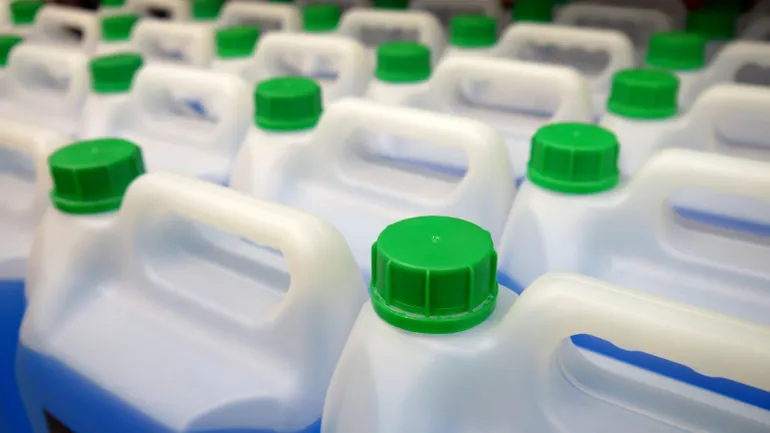
The Independent Lubricant Manufacturers Association (ILMA) filed a lawsuit in Colorado this month challenging the state's extended producer responsibility (EPR) law for packaging, one of several recent legal challenges to state packaging policies. Meanwhile, groups such as the American Forest & Paper Association joined an Oregon lawsuit led by the National Association of Wholesaler-Distributors (NAW). Attorneys for ILMA and NAW communicate regularly, with both sides believing that EPR implementation raises fundamental legal issues and expressing concern about indirect cost impacts on small businesses.
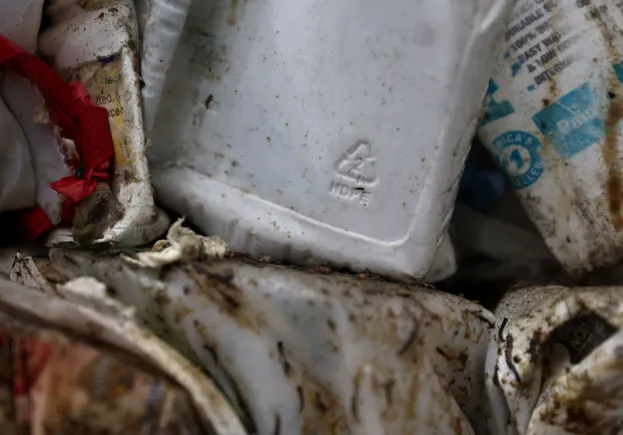
Circular Action Alliance (CAA) is accelerating its California SB 54 packaging EPR program. Despite regulations not yet being finalized, it plans to submit the program plan to the advisory committee by June 15, followed by a 60-day public comment period. CAA has received over 2,000 producer reports but still needs at least 700 more, and faces key deadlines including fee estimation on May 1 and report submission by May 31.
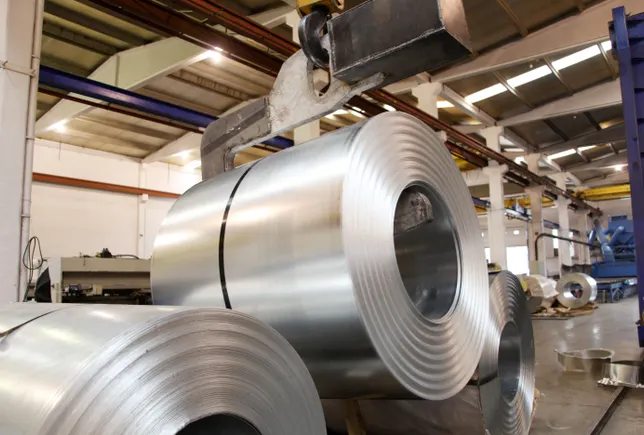
Nearly a month after the outbreak of the Iran war, supply chain shocks in the packaging industry have become apparent. Substrates such as plastics are bearing the brunt, with surging oil prices driving up transportation and raw material costs, and disruptions in the Strait of Hormuz unsettling the supply of commodities like aluminum. Analysts point out that whether the impact is short-lived depends on the duration of the conflict, and weak consumer demand may further suppress packaging demand.