


Latest news
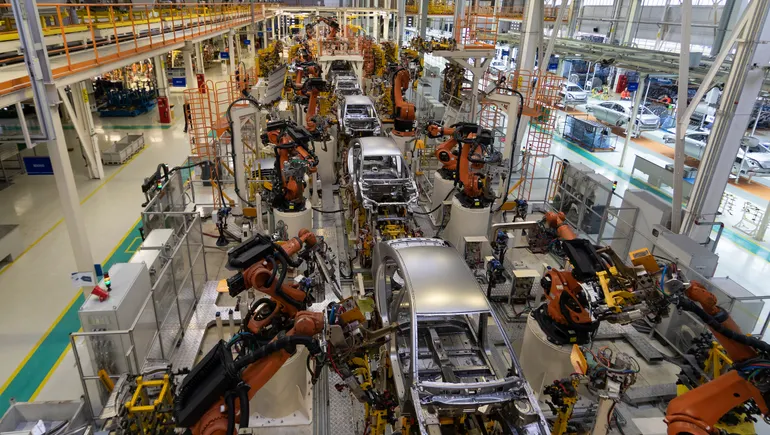
Industrial M&A got off to a slow start in 2025, but experts believe deals are picking up. Private equity holds a large volume of unsold assets and idle capital, strategic buyers face growth pressures, aging business owners seek exits, and domestic manufacturing is favored. Despite a decline in second-quarter deal volume, interest rate cuts and tariff adaptation are leading to expectations of strong growth over the next two years.
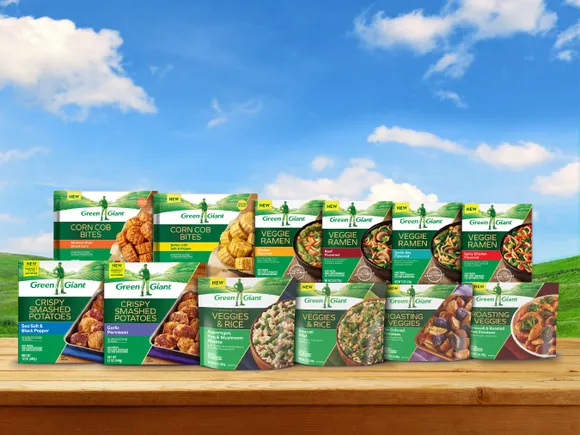
The food and beverage industry has long treated packaging as an afterthought, but now, driven by intensifying competition and shifting consumer demands, companies are increasing packaging investment. Companies such as B&G Foods, Conagra Brands, and Suja Life are improving packaging through testing, data analysis, and consumer research to boost sales and brand loyalty. However, packaging changes carry risks, as seen in the lessons of Tropicana and Sun Chips. Industry experts point out that packaging should be viewed as a growth lever rather than a cost, and companies need to find a balance between innovation and caution.
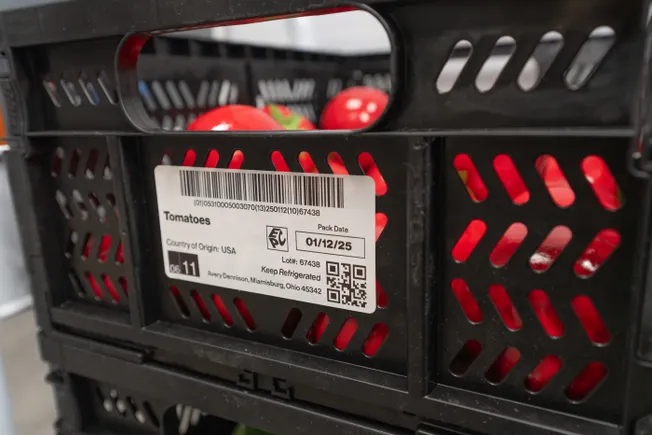
The U.S. FDA has extended the compliance deadline for the Food Traceability Rule to July 20, 2028, but the deployment of RFID (Radio Frequency Identification) technology in the packaging sector has not stopped as a result. Industry participants and observers point out that while the delay may slow short-term progress, it is unlikely to reverse the overall development trajectory. Beyond food traceability, RFID is entering emerging application scenarios such as anti-counterfeiting for high-value goods and cold-chain pharmaceutical monitoring, while technological advancements continue to address reading challenges in metal and liquid environments as well as recyclability debates.
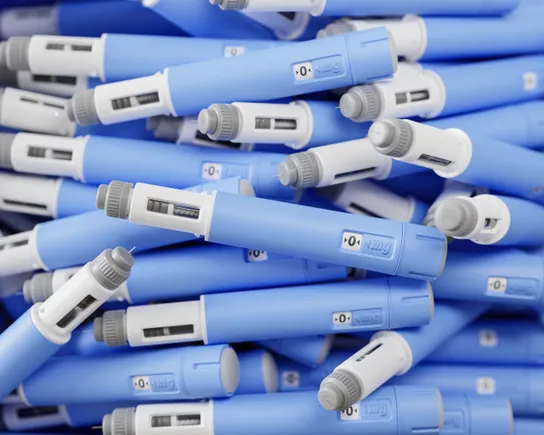

FMCG brands and packaging suppliers are exploring sustainable packaging solutions that balance environmental impact, performance, and cost through pilot projects, life cycle assessments, and phased testing. From Johnnie Walker's paper-based bottle to Sealed Air's compostable tray, the industry is advancing innovation through careful trade-offs.
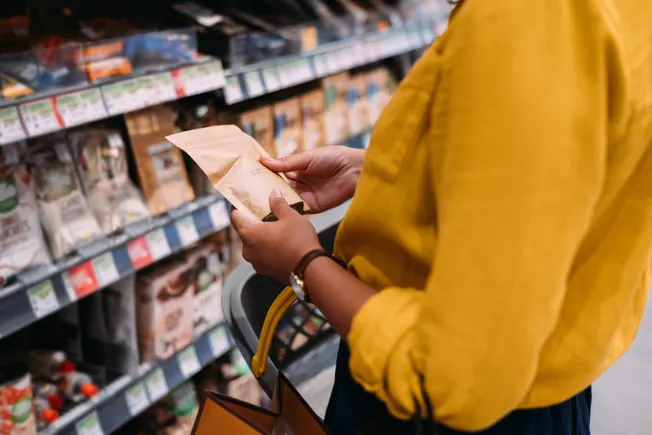
At the start of 2025, the packaging industry landscape has already shifted significantly: major players in the paper and plastics sectors have joined forces with key competitors through a series of large-scale mergers and acquisitions; President Trump seeks to reshape relations with trading partners; and U.S. producers will, for the first time, face compliance obligations under packaging EPR programs in multiple states simultaneously. This article further explores core topics such as annual M&A decisions, factors influencing EPR policy development, sustainable investments, and changes in target timelines.

After a trough in deal activity in 2024, M&A in the packaging industry is expected to recover in 2025. Experts point out that there is significant room for consolidation in segments such as flexible packaging, molded fiber, and reusable packaging; large-scale cross-border M&A and divestitures will continue, and private equity capital may accelerate its entry. The Trump administration's regulatory stance, tariff policies, and the Federal Reserve's interest rate path are key variables affecting the pace of transactions.
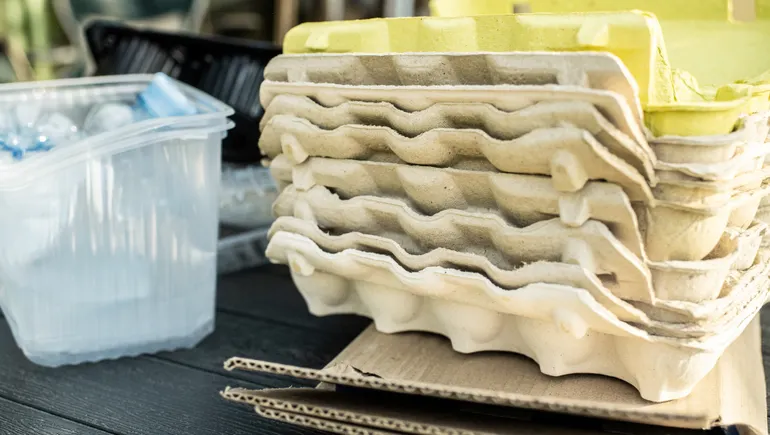
Regulatory requirements and consumer demand are pushing more companies to switch packaging materials from plastic to paper, with applications ranging from cushioning pellets to beverage bottles. However, some groups question whether paper is truly superior and to what extent it helps companies fulfill their sustainability commitments.
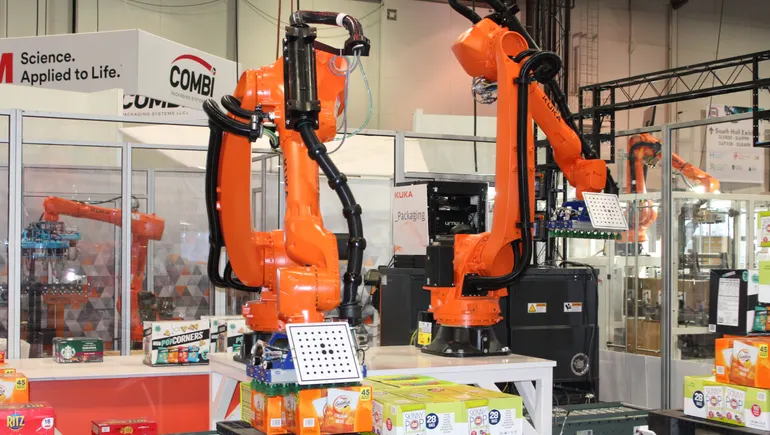
E-commerce packaging is accelerating its shift toward square or rectangular designs, driven primarily by automated robots' preference for regular shapes, optimized shipping density, and sustainability needs. However, consumer sensitivity to packaging shape changes (such as the Tropicana case) reminds brands to balance efficiency with market acceptance.