
Latest news
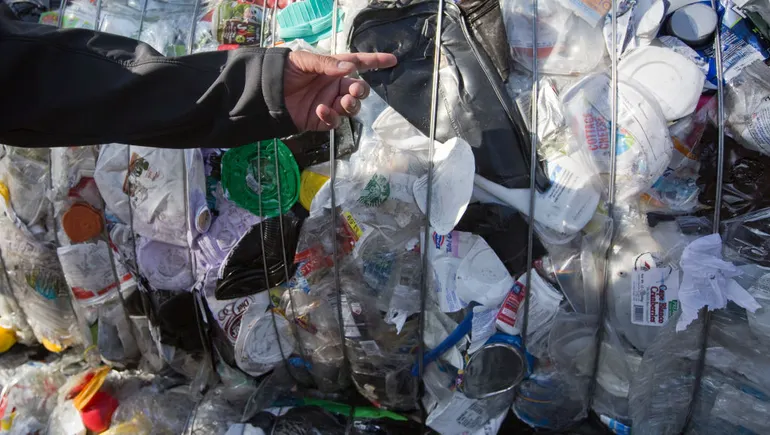
Multiple U.S. states are implementing packaging extended producer responsibility (EPR) programs, with Oregon being the first to use life cycle assessment (LCA) to determine producer fees. LCA aims to evaluate the environmental impacts of products from cradle to grave, but its methodology is controversial. Experts believe that despite its flaws, LCA remains the best available tool. Oregon requires large producers to submit LCAs periodically and allows fee reductions through eco-modulation. However, LCA often overlooks health impacts and issues like microplastics in plastic assessments, raising questions. Other states, such as California, adopt different strategies and do not mandate LCA.
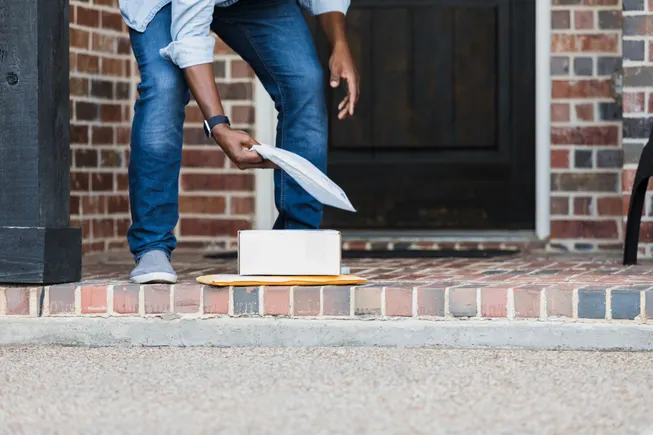
In 2024, the packaging industry saw numerous key data points in policy, M&A, and sustainability: Minnesota passed the fifth state-level EPR law, and Washington State fined 35 companies $416,000; in M&A, there were at least four international deals exceeding $3 billion; the fiber recycling rate was adjusted to 71-76% due to new methodologies; manufacturing contracted for eight consecutive months; Amazon fully eliminated plastic air pillows; regarding corporate goals, Ellen MacArthur Foundation signatories achieved only a 3% reduction in virgin plastic, falling significantly short of the 2025 target.
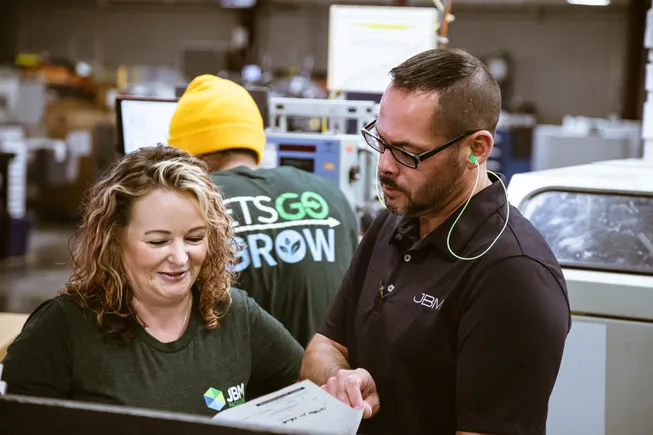
The U.S. packaging industry workforce generally grew between 2014 and 2023, but experienced a brief decline in 2020 due to the pandemic, followed by a rebound driven by the e-commerce boom. Mergers and divestitures affected headcounts at individual companies, while labor shortages prompted increased investment in automation.
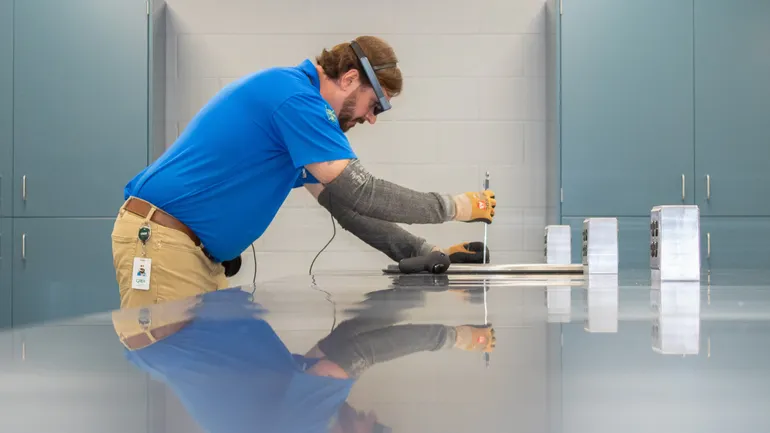

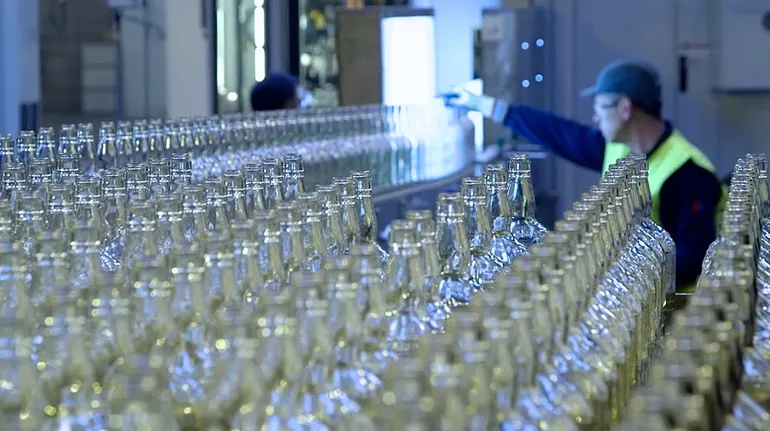
For consumers with visual impairments or mobility challenges, many beauty product packages are difficult to use. Although some brands have begun to take action, the industry's overall progress remains slow. Through multiple case studies and expert insights, this article analyzes the industry's current state of accessible packaging, implementation challenges, and its potential impact on brand loyalty and business opportunities.
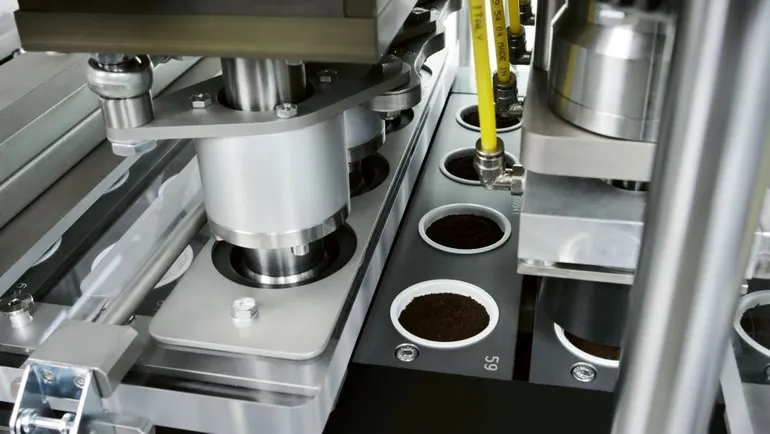
The PLA cups at the Paris Olympics have drawn attention, but environmental controversies surrounding this bioplastic persist: its degradability, compostability certification, life cycle assessment, and impact on agriculture have all been questioned. This article reviews the history of PLA, its current market status, and various perspectives.
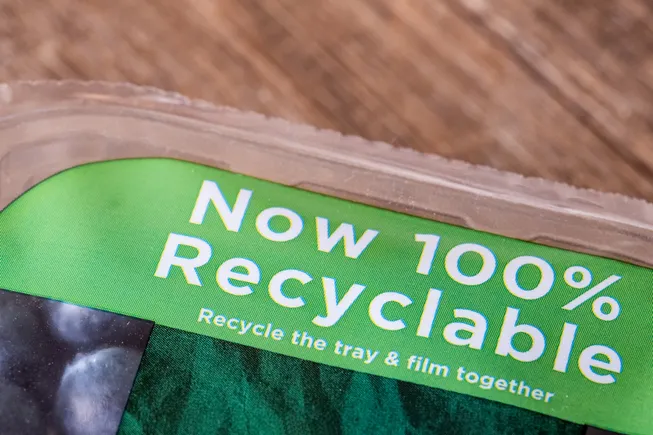

As the impact of post-pandemic inventory correction diminishes, M&A activity in the packaging industry is expected to remain active but normalize in pace in 2024. Analysts note that recent cross-border mega-deals have been frequent, while small and mid-sized transactions remain the market's mainstay.