


Latest news

As the compostable packaging market grows rapidly, consumer access to composting services in the United States remains limited. To address this challenge, some companies have begun offering mail-in or curbside recycling programs aimed at reducing the sorting burden on consumers and improving the actual recovery rate of compostable materials. Industry experts point out that improving recycling infrastructure, strengthening economic incentives, and standardizing label regulation are key to advancing this model.

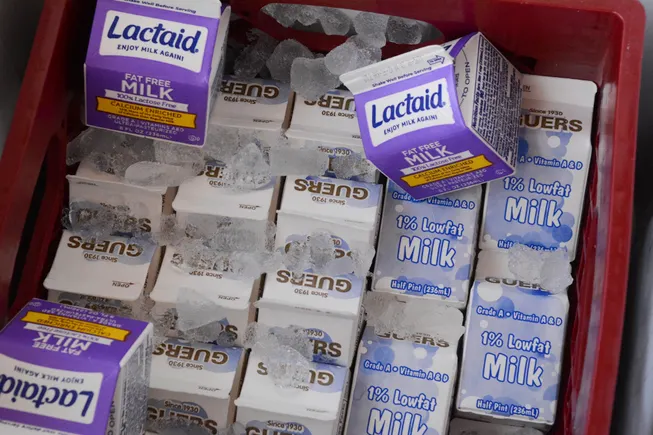
The widespread packaging shortage of 2023 has extended into the new year. Domestic dairies, schools, and others continue to be plagued by a half-pint carton shortage that has lasted for months. Although predictions suggest the issue may not be resolved before the end of the school year, some mitigation measures are already in place. Sources indicate that Pactiv Evergreen's closure of its Olmsted Falls, Ohio, plant last year may be a potential cause of the supply disruption.
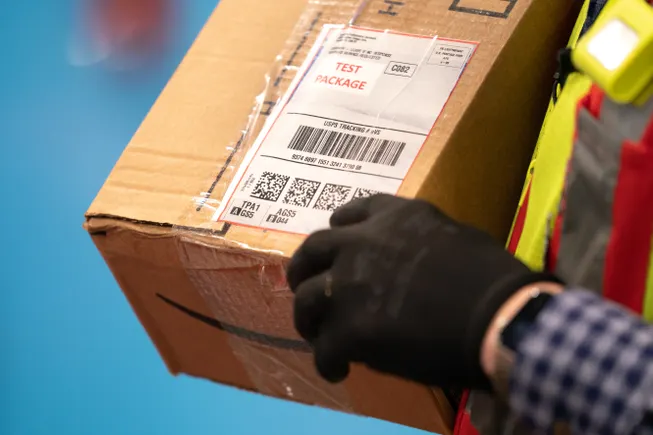
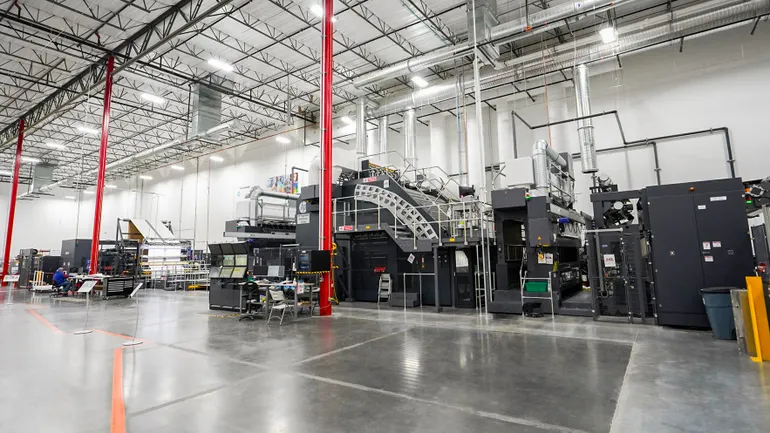
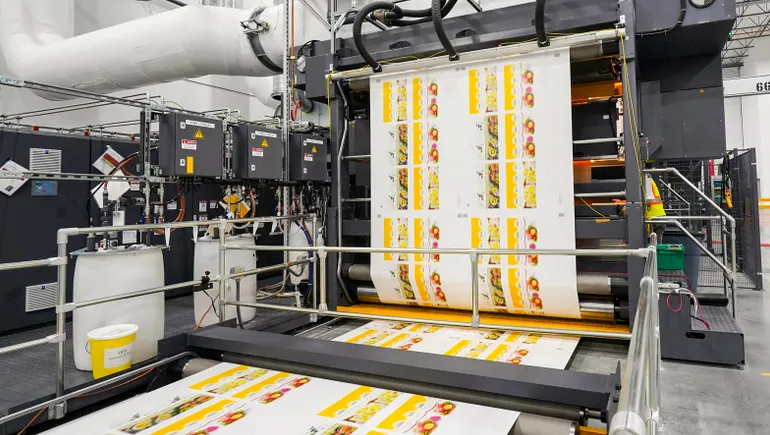
The application of digital inkjet printing in the packaging industry is still in its early stages, but equipment manufacturers, converters, and analysts believe it will see significant growth in the future, incorporating new features such as artificial intelligence and scannable codes.

A1 Organics, Colorado's largest composter, announced in April 2023 that it would no longer accept compostable packaging due to excessively high levels of non-compostable contaminants. This move caused ripples in the industry, but at the same time, more municipal composting systems are being established, and more facilities are beginning to accept compostable packaging. San Francisco and Minneapolis offer two different models of urban practice. Certification bodies and industry groups such as BPI and CMA are promoting labeling legislation, on-site testing, and federal bills, attempting to find a balance between contamination control and compost promotion.
The compostable packaging market is expected to reach $75 billion by 2029. Experts recommend using it in scenarios with food residue, such as food service, coffee, and prepared meals. Challenges lie in insufficient composting infrastructure and consumer confusion, with clear labeling and closed-loop venues (such as stadiums) seen as breakthrough points.
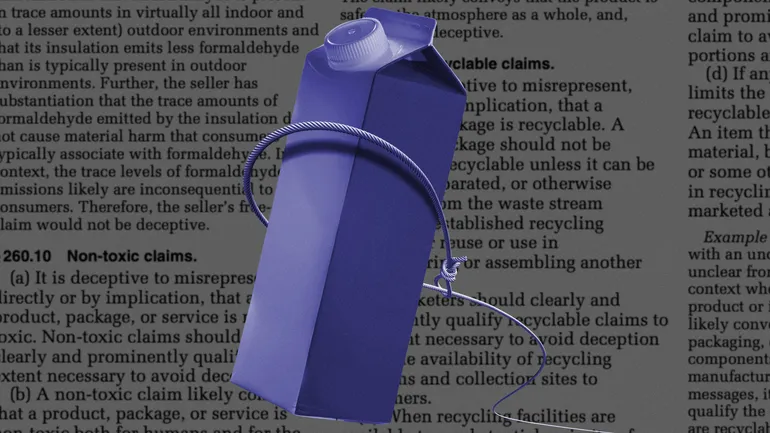
In 1992, the U.S. Federal Trade Commission (FTC), under pressure from both state attorneys general and manufacturers, issued the Guides for the Use of Environmental Marketing Claims (commonly known as the Green Guides) to regulate corporate environmental claims. Over more than three decades, the guides have undergone several revisions but have consistently faced challenges such as declining consumer trust and fragmented state-level legislation. Now, the FTC is preparing for a new round of updates that may address controversial topics like chemical recycling and recyclability claims. This article traces the historical background of the Green Guides, key revision milestones, and enforcement cases, while citing insights from multiple experts to analyze their effectiveness and limitations.