


Latest news
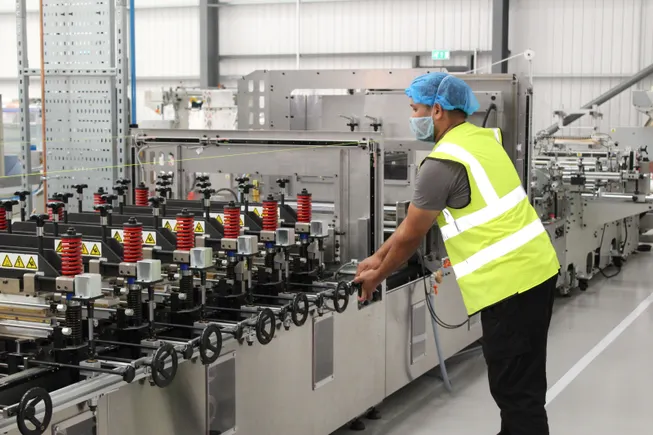
Flexible packaging expert ePac marks a milestone year: acquired by Butterfly Equity, signed a $50 million agreement with HP, and continues to expand its North American footprint. CEO Virag Patel sits down for an interview to share how digital printing and a distributed production model help small and medium-sized brands grow.
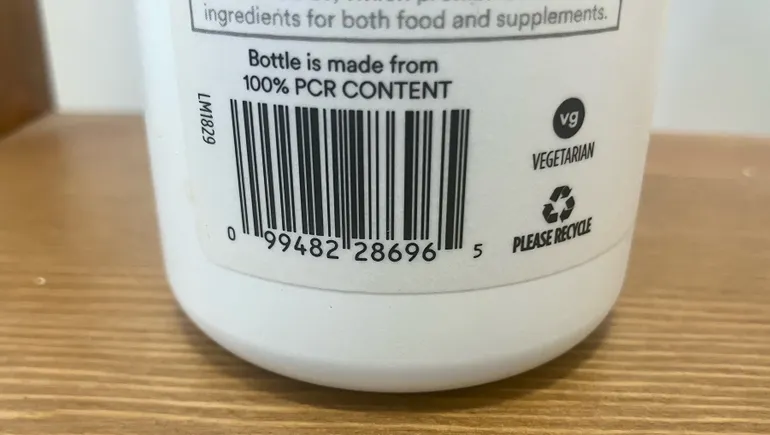
A California bill on recycled content claims, AB 2253, has been submitted to Governor Newsom, which would expand regulation beyond plastic food containers to all products and require claims to comply with FTC Green Guides.
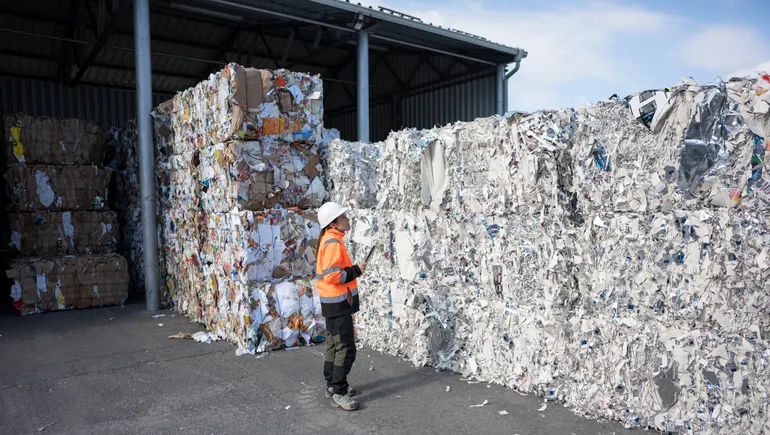
AF&PA's latest data shows that in 2025, the U.S. paper recovery rate is estimated between 61% and 65%, and the paperboard recovery rate between 70% and 75%, both slightly higher than 2024 levels. Although total recovered fiber consumption by domestic paper mills decreased by 1.3 million tons year-over-year, the recovery system remained stable amid reduced supply.

Ryder's 2026 E-commerce Consumer Study, released by the logistics company, reveals a significant increase in consumer attention to sustainability in e-commerce packaging, while the priority of price factors has declined. Corrugated boxes remain the most popular packaging format, but environmental awareness as a reason for choice has risen by 6 percentage points. Meanwhile, sustainability has become a key driver of brand loyalty, with 67% of respondents preferring refund policies that do not require returns.
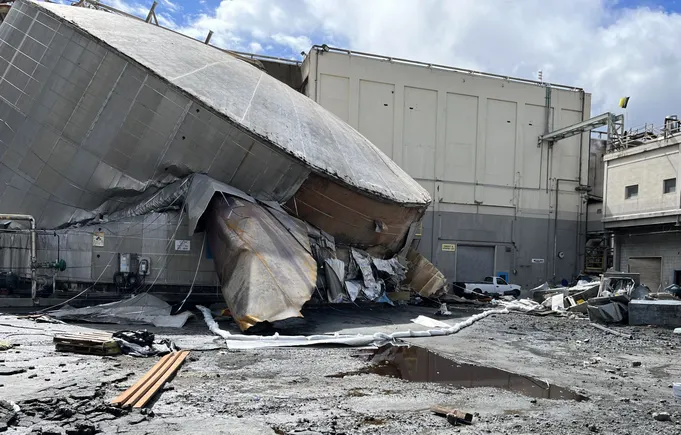
The U.S. Chemical Safety and Hazard Investigation Board (CSB) released a preliminary investigation update on Friday, stating that the white liquor storage tank at Nippon Dynawave Packaging Company's Longview, Washington facility had been identified with serious safety hazards during multiple inspections but continued operating until a fatal collapse on May 26, 2026. The CSB reported that an inspection in July 2025 had found multiple areas of the tank shell thinned below the minimum safe thickness, with the report explicitly noting it was "not suitable for continued service" and had a "high likelihood/consequence of failure," yet the company took no action to shut down or repair the tank.
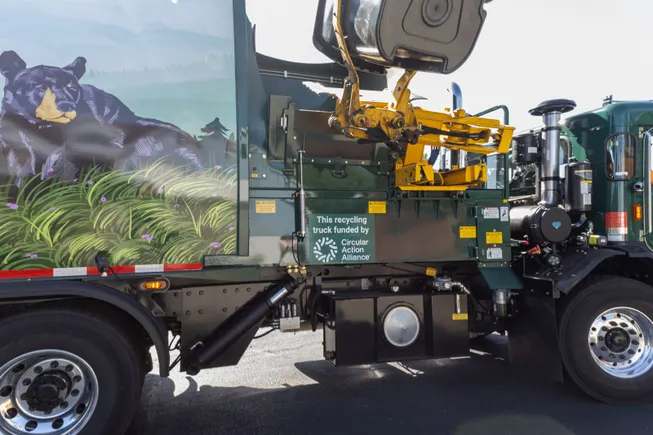
U.S. Federal Judge Michael H. Simon ruled that Oregon's extended producer responsibility (EPR) law for packaging does not violate the dormant Commerce Clause and the Due Process Clause of the U.S. Constitution. The plaintiff, the National Association of Wholesaler-Distributors (NAW), expressed strong opposition and is considering next steps.
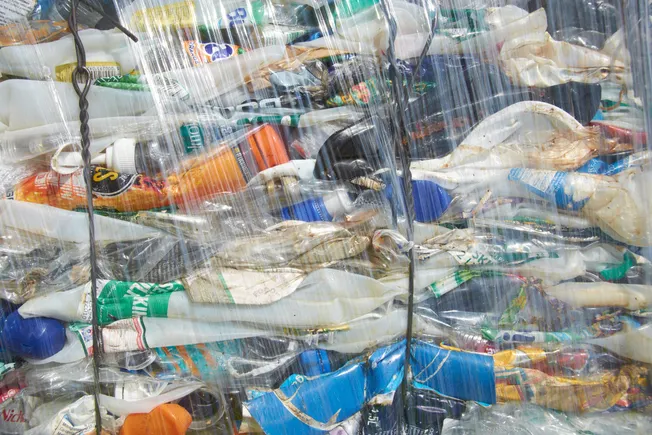
At Wednesday's Be Waste Wise webinar, experts noted that although the implementation of packaging EPR regulations in seven U.S. states faces legal challenges and uncertainty, this complex process also provides an opportunity for brands, recyclers, and state governments to optimize systems and promote long-term sustainable development.
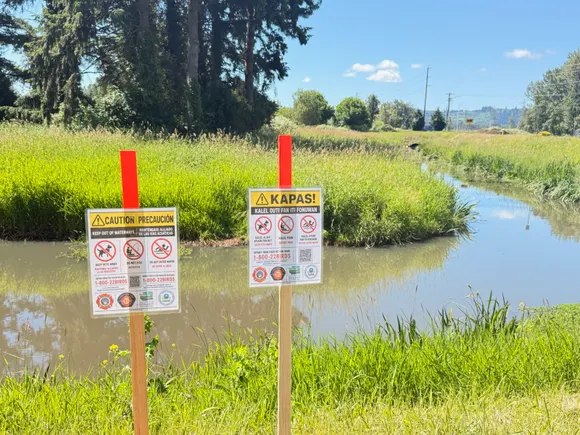
On Wednesday, August 26, the Washington State Department of Ecology preliminarily identified 35 environmental violations related to the May 26 white liquor tank rupture at Nippon Dynawave Packaging's Longview pulp mill. The incident caused 11 deaths and 8 injuries. Ecology stated that most violations are linked to the release of approximately 900,000 gallons of white liquor, with some entering the Columbia River, and determined that water quality violations constitute "significant noncompliance." The company has a 30-day response period, and Ecology may take enforcement action within two years. The state Department of Labor and Industries separately issued a citation on Tuesday, August 25, for a safety violation unrelated to the rupture, and the company has a 15-day appeal period.

The US-Canada trade war continues to escalate, with Canada announcing tariffs of up to 50% on $27.6 billion in US goods, covering key packaging raw materials such as pulp, paper, aluminum, and steel. Industry executives are assessing the impact and developing mitigation plans, but evidence of large-scale early purchasing in the short term is insufficient. Multiple industry associations are urging both sides to return to the negotiating table to avoid long-term disruption to cross-border supply chains.
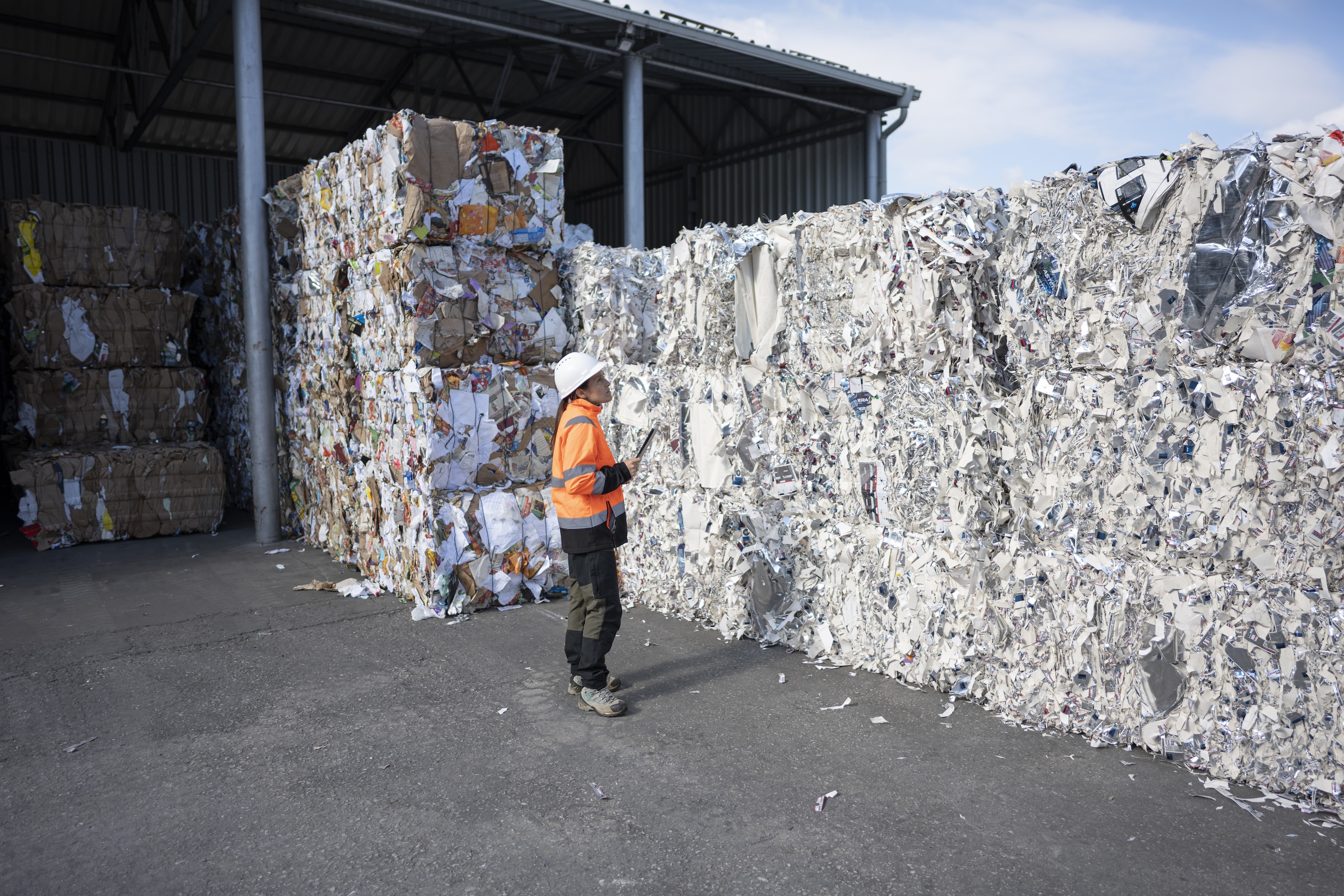
Since Oregon became the first state to implement a packaging extended producer responsibility (EPR) law, packaging stakeholders in the United States have learned a great deal over the past year. However, at the SPC Impact conference in Nashville, Tennessee, speakers noted that the industry is still in its early stages. The following are some of their insights on the future direction of EPR.