


Latest news
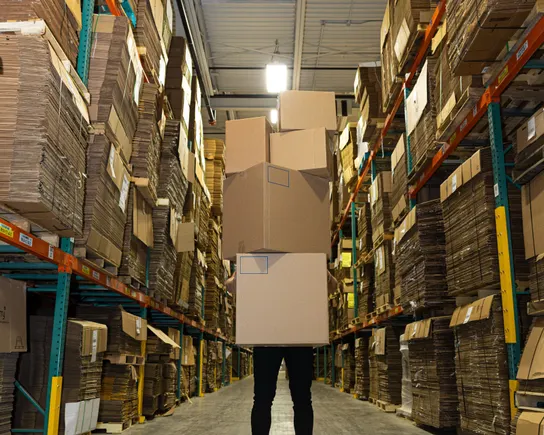
Recently, the price of containerboard in the United States has undergone an unusual three rounds of increases, significantly raising the cost of new boxes. Against this backdrop, used box resellers—a little-known segment of the corrugated packaging market—are actively seeking expansion. Companies in the industry say that cost savings and sustainability goals are jointly driving demand, but logistics matching and market awareness remain major challenges.
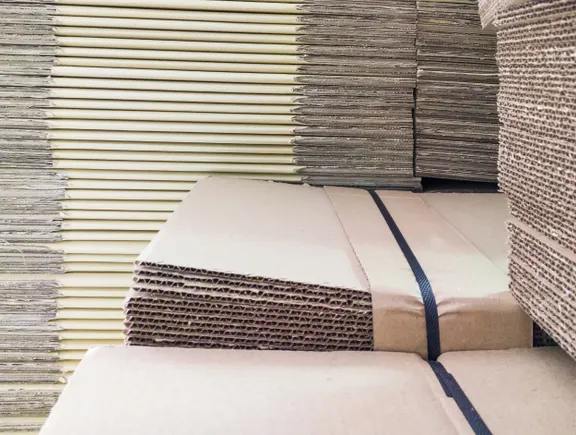
North American containerboard prices remained stable in August, unchanged for the second consecutive month. Although prices for most paperboard grades were flat, solid bleached sulfate prices rose by $20 per ton. The market is watching the implementation of the third round of price increases in September, with the Independent Packaging Association opposing them and demand expectations revised down.
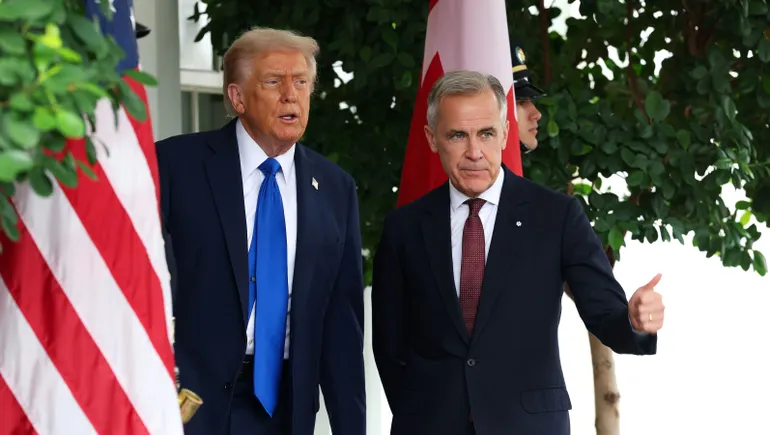
U.S. President Trump announced via social media on Monday that he will impose a 50% tariff on cars, trucks, auto parts, and steel imported from Canada, effective January 1. This follows the breakdown of U.S.-Canada trade negotiations, with Canadian Prime Minister Carney vowing "reciprocal" retaliation. The White House has not yet issued a formal tariff order, and the relationship between the new tariffs and existing Section 232 provisions and the USMCA remains unclear.

Against the backdrop of continuously rising energy prices, manufacturers in the packaging industry are increasingly focusing on energy procurement strategies, including improving energy efficiency, fuel diversification, and related investments. This article, drawing on cases from companies such as Smurfit Westrock and Specialized Packaging Group, explores renewable energy agreements, energy efficiency-first strategies, and the challenges facing the industry.
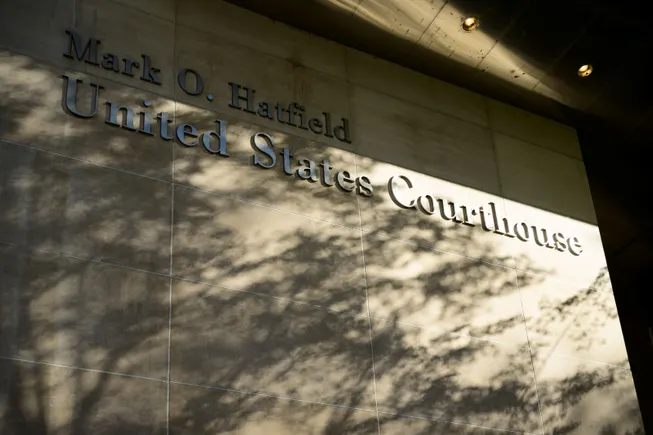
After launching a new challenge in Colorado, the National Association of Wholesaler-Distributors (NAW) filed for a preliminary injunction on Thursday to block enforcement of California's SB 54, while the Oregon EPR lawsuit has entered the ruling phase. The judge in the Oregon case requested supplemental briefs, focusing on the constitutionality of the small producer exemption.
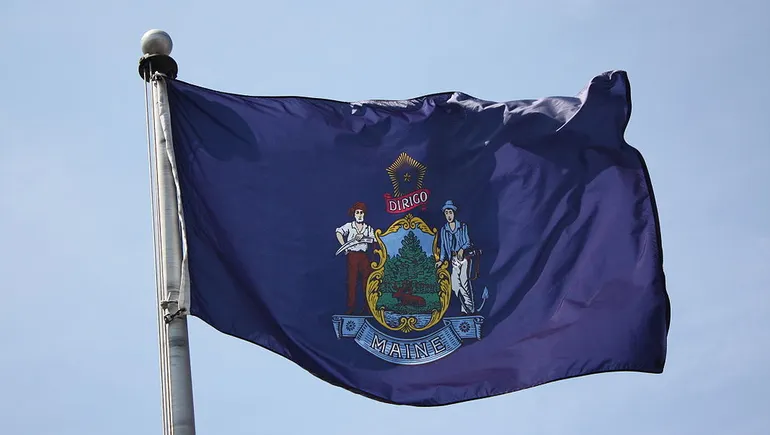
Maine's packaging EPR program faces delays as no producer responsibility organizations submitted proposals by the Aug. 18 deadline. Circular Action Alliance, which manages similar programs in six other states, declined to participate, citing the RFP's scope. The state's DEP is reassessing next steps, including registration and invoicing timelines.
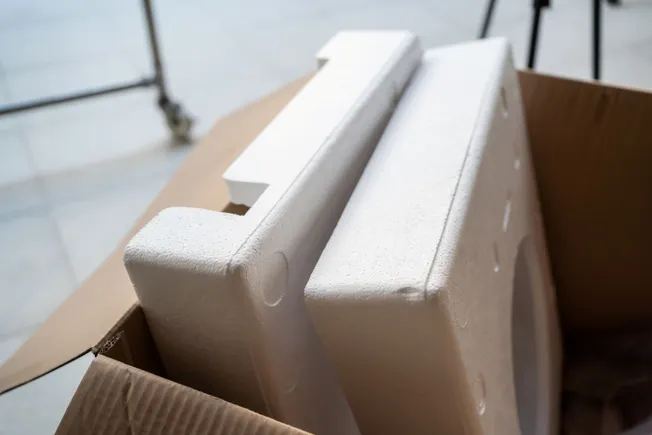
The U.S. Plastics Pact announced the removal of expanded polystyrene (EPS) transport packaging from its Problematic & Unnecessary Materials list, the first deletion since the list was created in 2022. The move follows a spring request from the Polystyrene Recycling Alliance and is supported by data showing a 31% recycling rate for transport EPS in North America. The change applies only to transport EPS, not other polystyrene types.
Anchor Glass Container LLC has announced the permanent closure of its manufacturing site in Warner Robins, Georgia, impacting 168 workers, with separations beginning Oct. 17. The move is part of a broader industry trend, as other glass packaging firms have also idled U.S. plants amid declining volumes.
美国众议院近60名议员(42名共和党人、16名民主党人)致函商务部长霍华德·卢特尼克,要求调查国内原铝销售中的“定价异常”。议员们指出,中西部溢价(MWP)作为全美范围的区域基准价,将特朗普政府依据232条款征收的50%铝关税成本转嫁给了包括使用再生铝的饮料行业在内的本土制造商。铝业协会、啤酒协会等机构对此表态不一,标普全球普氏则反驳称其定价方法公开透明且符合国际标准。
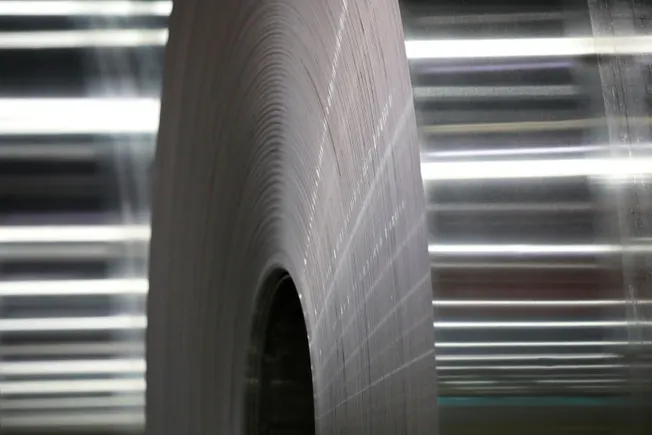
Kaiser Aluminum has appointed Fred Stephan, previously Amcor's global flexibles COO, as its new president and CEO, effective Nov. 1. Stephan will succeed Keith Harvey, who will remain executive chairman through 2027. The company, which serves packaging and other end markets, recently reported strong quarterly results.