


Latest news
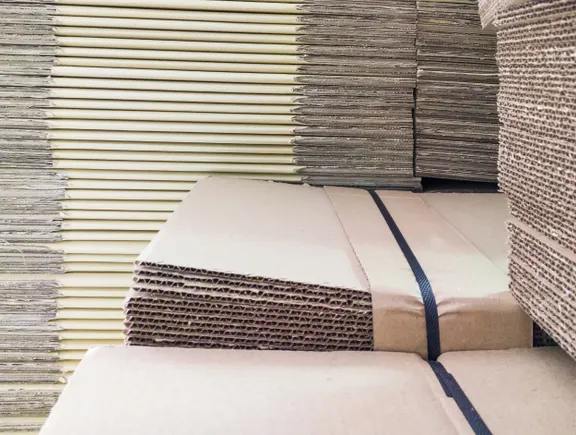
AICC, The Independent Packaging Association, has issued a public statement opposing the third round of containerboard price increases announced by major producers within five months. The group argues the hikes are not supported by raw material costs or economic data and disproportionately burden independent box makers. The statement follows a $140-per-ton announcement by Packaging Corporation of America and subsequent increases from Cascades, International Paper and Smurfit Westrock.
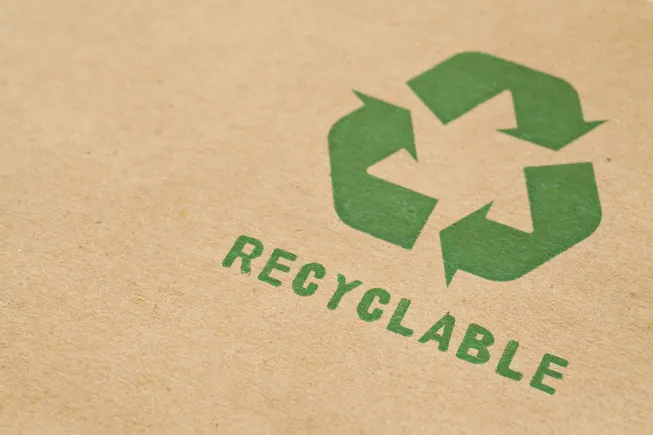
Congressman Lou Correa and Senator Jeff Merkley introduced the Truth in Labeling Act, which would create voluntary federal labeling guidelines for consumer products claiming recyclability, compostability, reusability, or refillability. The bill responds to widespread confusion over the chasing arrows symbol and outdated federal guidance, and is backed by major recycling and waste diversion organizations.
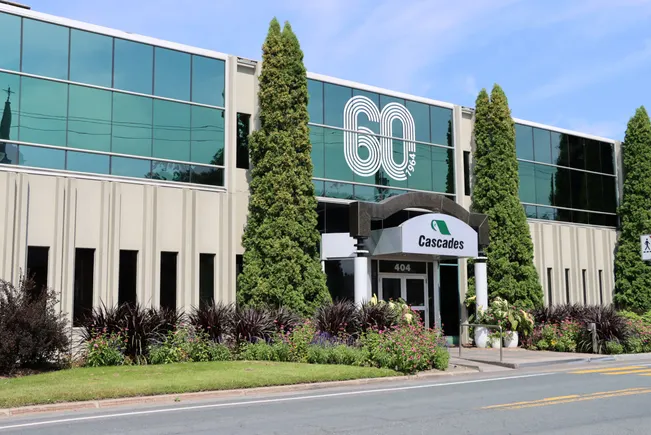
Cascades' Q2 2026 earnings beat expectations, with net sales up 2.7% to $1.22B and net earnings of $21M. CEO Hugues Simon discussed the rationale behind recent containerboard price hikes, citing tight fiber supply and unprecedented cost inflation, and outlined the company's mitigation plans for the new 50% U.S. tariffs on Canadian imports.
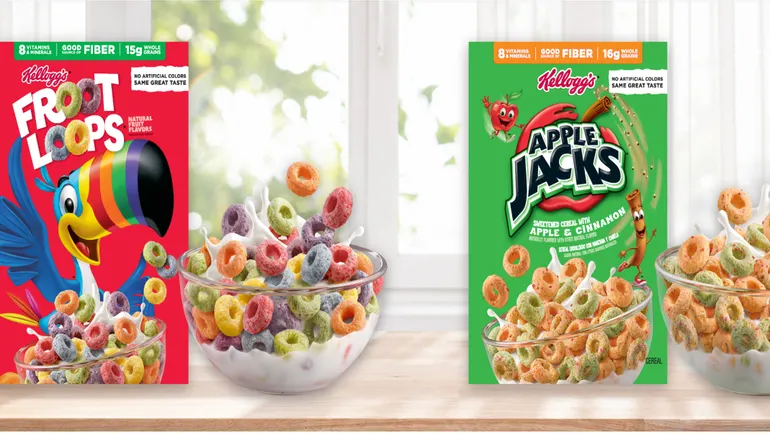
WK Kellogg announced it will fully remove artificial colors and the preservative BHT from its cereals and packaging later this year, nearly 12 months ahead of schedule. The company said the move is intended to inject much-needed momentum into a cereal category that has underperformed over the past decade. BHT is a synthetic preservative commonly used in packaging materials, and the FDA is reassessing its safety. WK Kellogg has been in communication with the FDA and plans to replace synthetic colors with natural alternatives.
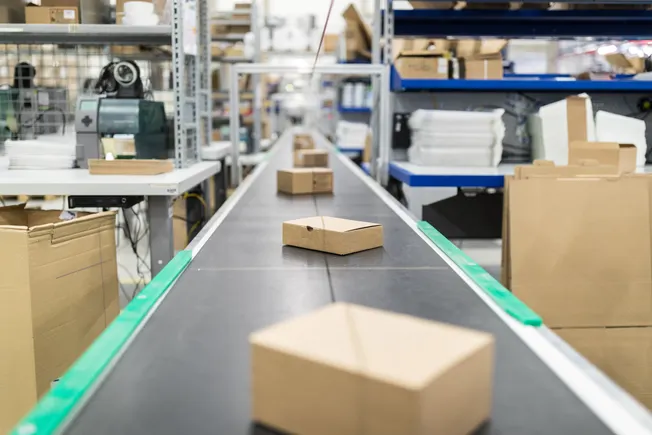
According to the latest report from Capstone Partners, the number of M&A transactions in the packaging industry so far in 2026 has decreased by 21.3% year-over-year, mainly due to inflation, weak consumer spending, and geopolitical uncertainty. Despite the sluggish transaction volume, the average transaction value has remained steady, with buyers continuing to seek high-quality assets.
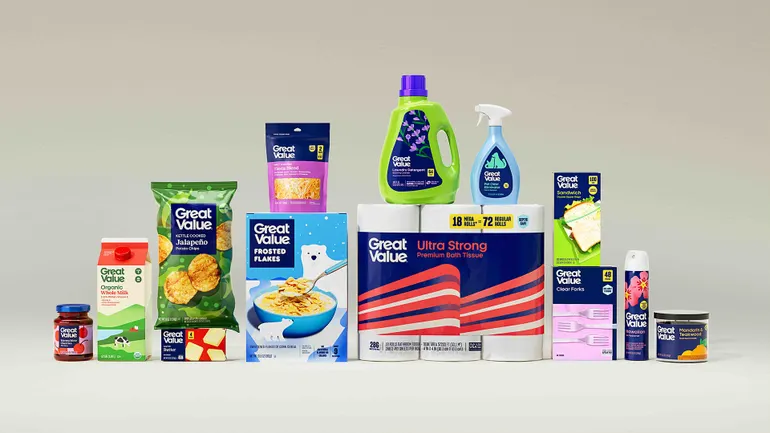
In its FY2026 ESG report, Walmart disclosed that its 2025 private brand packaging sustainability goals were not fully achieved, with the proportion of recyclable/reusable/industrially compostable packaging dropping from 68.2% to 64.3%, and virgin plastic usage increasing by 4.12% compared to the baseline, while the proportion of post-consumer recycled (PCR) plastic rose to 10.7%. The company stated it will continue to advance packaging optimization and outlined three guiding principles.

Sonoco has again adjusted its business structure, placing the global consumer packaging team under unified leadership. Ernest Haynes has been appointed President of Global Consumer Packaging, reporting directly to CEO Howard Coker. The business covers 25 countries, employs 11,250 people, and generates annual sales of $5.2 billion. Sean Cairns, previously responsible for EMEA and Asia-Pacific, is leaving the company after 17 years of service.
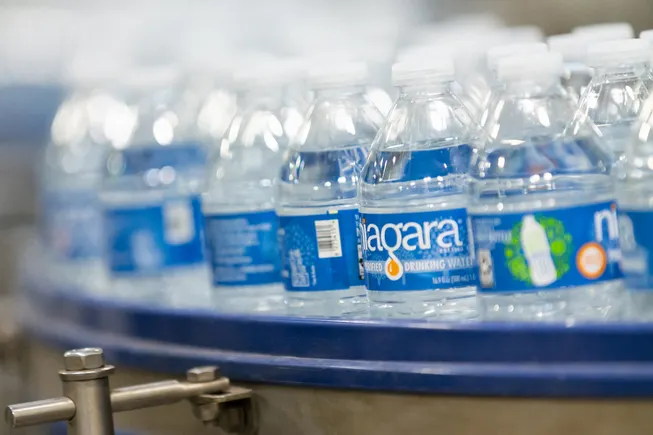
In July, the packaging industry saw multiple closure announcements. International Paper suspended operations at its Alabama plant due to a storm and plans to permanently close its Texas box plant; Niagara Bottling announced the closure of its Illinois facility; Pretium Packaging expects to close its New York plant in September; Wisconsin Green is considering a permanent shutdown or large-scale layoffs.
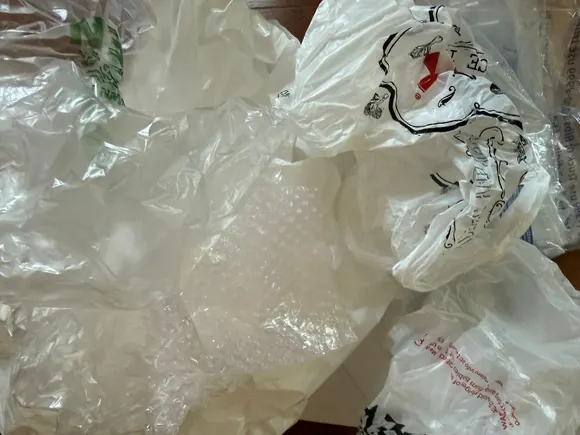
The Flexible Film Recycling Alliance (FFRA) has launched two commercial film recycling pilots in Sacramento and the Ontario/Inland Empire regions of California, in partnership with 1-800-Got-Junk and Shorr Packaging. The pilots will run until November 30, aiming to evaluate the effectiveness of different collection models and provide data to support the scaling of recycling efforts.
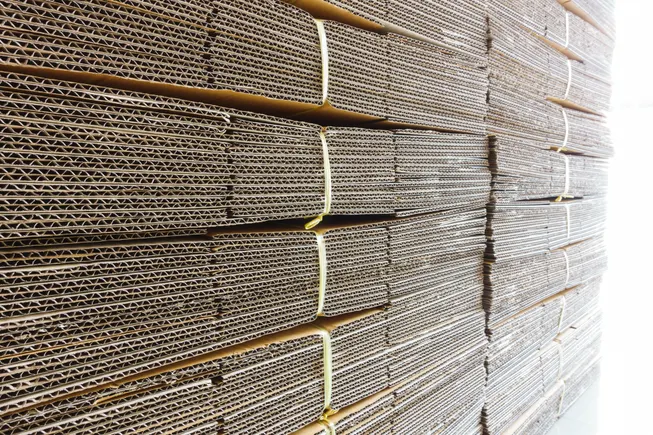
US containerboard production continued to decline year-over-year in the second quarter of 2026, but the pace of decline slowed significantly. The latest quarterly report from the American Forest & Paper Association (AF&PA) shows Q2 output fell more than 2% year-over-year, a notable improvement from the 8% decline in Q1; cumulative first-half output was down 5% year-over-year. Industry operating rates rose to nearly 95%, the highest of the year, but exports plunged about 19% year-over-year, and capacity closures announced in 2025 have collectively removed nearly 10% of North American capacity. Several paper companies confirmed on earnings calls that market demand is moderately recovering, and the containerboard market is tightening.